2026 HOA Security Technology Trends
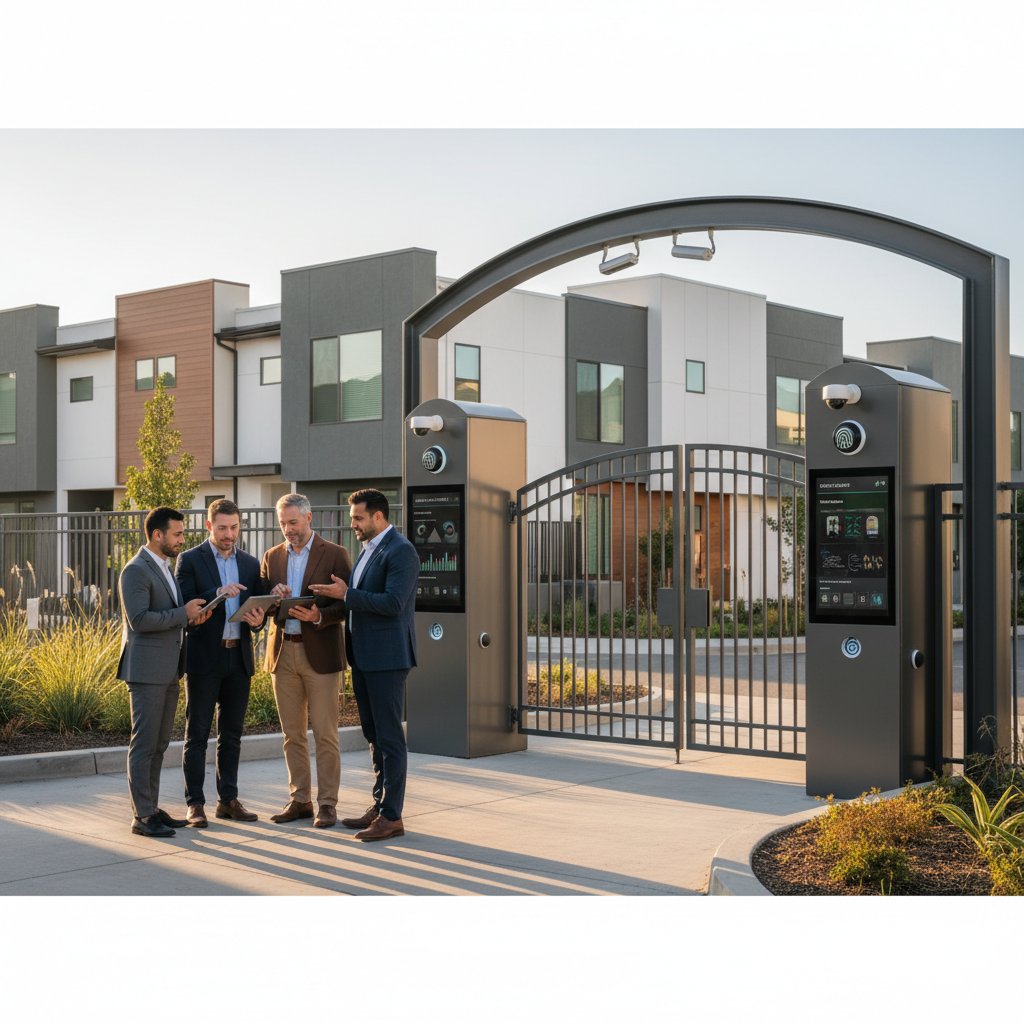
2026 HOA Security Technology Trends: What Board Members Need to Know
The landscape of community security is evolving at breakneck speed, and HOA board members who fail to stay current risk leaving their residents vulnerable and their communities behind. As we navigate through 2026, emerging technologies are reshaping how homeowners associations approach security, offering unprecedented capabilities while presenting new challenges for decision-makers.
Understanding these HOA security trends 2026 brings isn’t just about keeping up with technology—it’s about making informed decisions that protect residents, preserve property values, and ensure long-term community sustainability. From AI-powered surveillance systems to quantum-encrypted access controls, the security solutions available today would have seemed like science fiction just a few years ago.
The Current State of Community Security Technology
 Today’s community security technology landscape represents a dramatic shift from traditional approaches. Modern HOA communities are implementing integrated ecosystems that combine physical security measures with digital intelligence, creating comprehensive protection strategies that adapt to emerging threats in real-time.
The most successful communities in 2026 are those embracing a layered security approach, where multiple technologies work together seamlessly. This integration allows for faster threat detection, automated response protocols, and significantly reduced false alarm rates compared to older, standalone systems.
Integration-First Approach
Modern security systems prioritize interoperability, allowing different components to communicate and share data effectively. This means access control systems can instantly alert video surveillance networks when unauthorized access attempts occur, while environmental sensors can trigger lockdown protocols during security events.
Top HOA Security Technology Trends for 2026

AI-Powered Video Analytics
Artificial intelligence has revolutionized video surveillance beyond simple recording. Current AI systems can distinguish between residents, visitors, delivery personnel, and potential threats with remarkable accuracy. These systems learn community patterns, identifying anomalies that might indicate security concerns before incidents escalate.
Advanced facial recognition technology now works in conjunction with resident databases, automatically granting access to authorized individuals while flagging unknown persons for security review. The technology has become so sophisticated that it can detect behavioral patterns indicating suspicious activity, such as loitering or attempting to circumvent security measures.
Smart Perimeter Defense Systems
Perimeter security innovations in 2026 go far beyond traditional fencing and gates. Smart barriers incorporate sensors that can detect climbing attempts, cutting, or digging, while remaining virtually invisible to residents. These systems use fiber optic cables, vibration sensors, and thermal imaging to create comprehensive perimeter monitoring.
Drone detection and neutralization systems have become standard in higher-end communities, protecting against both surveillance drones and potential delivery of contraband. These systems can automatically identify, track, and safely disable unauthorized drones using radio frequency jamming or capture nets.
Biometric Access Control Evolution
Traditional key cards and PIN codes are rapidly becoming obsolete as biometric systems offer superior security and convenience. Modern systems combine multiple biometric markers—fingerprints, facial recognition, and iris scanning—creating layered authentication that’s nearly impossible to circumvent.
The latest biometric systems can distinguish between living tissue and replicas, preventing spoofing attempts while accommodating residents with disabilities through alternative authentication methods. Integration with smartphone apps allows residents to grant temporary access to guests remotely, with all activities logged and monitored.
IoT Sensor Networks
Internet of Things (IoT) sensors create invisible security webs throughout communities, monitoring everything from air quality to structural integrity. These networks can detect unusual vibrations that might indicate break-in attempts, monitor noise levels to identify disturbances, and track environmental conditions that could pose safety risks.
Smart lighting systems automatically adjust based on occupancy and security needs, creating well-lit pathways for residents while conserving energy. Motion sensors can distinguish between human movement, animals, and weather-related activity, reducing false alarms while maintaining vigilant monitoring.
Making Smart HOA Board Security Decisions
 Successful HOA board security decisions require balancing multiple factors: resident privacy concerns, budget constraints, technological capabilities, and long-term maintenance requirements. Board members must evaluate not just the upfront costs but the total cost of ownership over the system’s lifespan.
Privacy and Legal Considerations
As security technology becomes more sophisticated, privacy concerns intensify. Boards must navigate complex legal landscapes regarding data collection, storage, and sharing. Establishing clear policies about how security data is used, who has access to it, and how long it’s retained is crucial for legal compliance and resident trust.
Modern security systems generate vast amounts of data, and boards must ensure this information is protected against cyber threats while remaining accessible for legitimate security purposes. Implementing robust cybersecurity measures for security systems themselves has become a critical consideration.
Budget Planning and ROI Assessment
While advanced security technology requires significant investment, the return on investment extends beyond crime prevention. Enhanced security systems can increase property values, reduce insurance premiums, and decrease the need for on-site security personnel.
Successful boards develop phased implementation plans, prioritizing the most critical security needs first while planning for future upgrades. This approach allows communities to benefit from improved security immediately while spreading costs over multiple budget cycles.
Implementation Best Practices for HOA Security Systems
Vendor Selection and Management
Choosing the right security technology partner is crucial for long-term success. The best vendors offer comprehensive support including system design, installation, training, and ongoing maintenance. Look for companies with proven experience in community security and strong references from similar HOA implementations.
Avoid vendors who push single solutions without understanding your community’s specific needs. The most effective security systems are customized to address unique challenges, resident demographics, and community layouts.
Resident Communication and Buy-in
Even the most advanced security system will fail without resident cooperation and support. Successful implementations begin with transparent communication about security needs, system capabilities, and privacy protections. Regular updates about system performance and security improvements help maintain resident confidence.
Training programs for residents ensure everyone understands how to use new security features effectively while maintaining system integrity. This includes proper use of access controls, reporting procedures, and emergency protocols.
Future-Proofing Your Community Security Investment
Smart security systems must be designed with scalability and adaptability in mind. The security landscape continues evolving rapidly, and systems installed today should accommodate future upgrades and expansions without requiring complete replacement.
Cloud-based security platforms offer particular advantages for future-proofing, as they can receive updates and new features remotely without hardware replacement. These systems also provide better disaster recovery capabilities and can maintain operations even if on-site equipment is damaged.
Emerging Technologies on the Horizon
Quantum encryption technology is beginning to appear in high-security applications, offering virtually unbreakable data protection for communities handling sensitive information. While still expensive, this technology will likely become more accessible as the security industry continues advancing.
Predictive analytics capabilities are becoming more sophisticated, using historical data and machine learning to anticipate potential security threats before they materialize. These systems can identify patterns that human security personnel might miss, providing early warning of developing situations.
Frequently Asked Questions
What’s the average cost of implementing modern HOA security technology?
Implementation costs vary significantly based on community size and complexity, typically ranging from $50,000 to $500,000 for comprehensive systems. However, phased approaches can spread these costs over multiple years while delivering immediate security improvements.
How do modern security systems handle privacy concerns?
Current systems include privacy-by-design features such as automatic data encryption, configurable retention periods, and granular access controls. Many systems allow residents to opt-out of certain monitoring features while maintaining community-wide security benefits.
What maintenance requirements should boards expect with new security technology?
Modern systems typically require quarterly professional maintenance visits, monthly software updates, and annual comprehensive system reviews. Cloud-based systems generally have lower maintenance requirements than traditional on-premise installations.
Can existing security infrastructure be integrated with new technology?
Most current security platforms are designed with backward compatibility in mind, allowing integration with existing cameras, access controls, and alarm systems. This approach can significantly reduce upgrade costs while improving overall system performance.
How quickly can new security systems be implemented?
Implementation timelines depend on system complexity and community size, typically requiring 2-6 months from initial planning to full deployment. Phased implementations can begin delivering security benefits within weeks of starting the project.
What training is required for board members and staff?
Comprehensive training programs usually require 8-16 hours of initial instruction followed by ongoing support. Most vendors provide online resources, documentation, and periodic refresher training to ensure optimal system utilization.
The security technology landscape of 2026 offers HOA boards unprecedented opportunities to protect their communities while enhancing resident satisfaction. Success requires careful planning, thoughtful implementation, and ongoing commitment to staying current with emerging threats and solutions. Communities that embrace these technologies today position themselves for long-term security and prosperity.
Ready to evaluate your community’s security technology needs? Contact our community security specialists today for a comprehensive assessment and customized implementation plan that aligns with your board’s priorities and budget requirements.