AI Security Camera ROI Guide | Property Managers
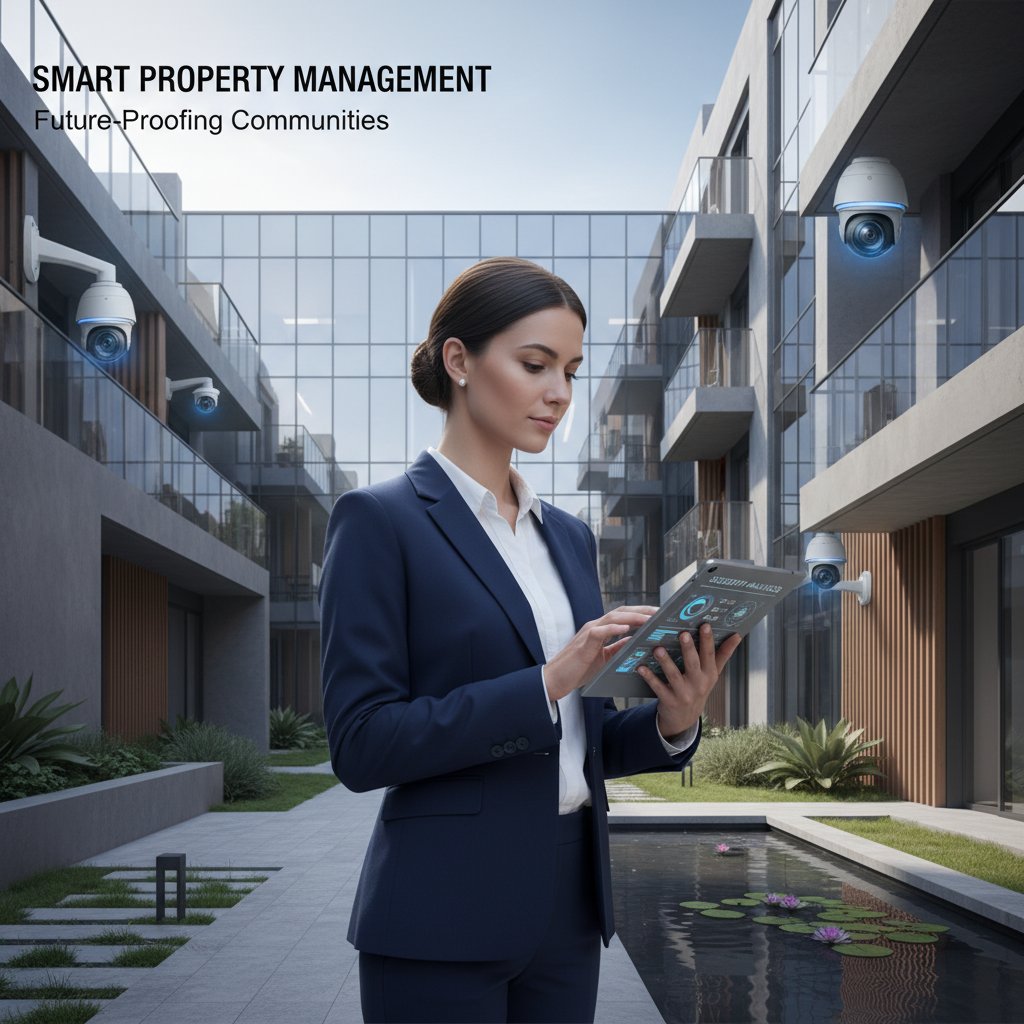
AI-Powered Security Cameras: ROI Guide for Property Managers
Property managers and HOA board members face mounting pressure to enhance community security while managing tight budgets. Traditional security measures no longer provide the comprehensive protection and cost-effectiveness that modern properties demand. AI security cameras ROI has become a critical consideration for decision-makers seeking to balance enhanced safety with financial responsibility.
Smart surveillance systems powered by artificial intelligence are transforming how residential and commercial properties approach security. These advanced systems deliver measurable returns through reduced security incidents, lower insurance premiums, and decreased operational costs. Understanding the financial impact of this property management security investment enables informed decision-making that benefits both residents and bottom lines.
Understanding AI Security Camera Technology
AI-powered security cameras represent a significant evolution from traditional surveillance systems. These intelligent devices utilize machine learning algorithms to analyze video feeds in real-time, distinguishing between normal activity and potential security threats. Unlike conventional cameras that simply record footage for later review, AI systems provide immediate alerts and automated responses to suspicious behavior.
Modern smart surveillance systems incorporate advanced features including facial recognition, license plate detection, and behavioral analysis. These capabilities enable property managers to proactively address security concerns rather than reactively responding to incidents after they occur. The technology continuously learns from patterns, becoming more accurate and efficient over time.
Key AI Security Features for Properties
- Automated threat detection identifies unusual activities and sends instant alerts
- Perimeter monitoring tracks unauthorized access attempts at entry points
- Vehicle recognition manages parking enforcement and visitor tracking
- Package delivery monitoring reduces theft and improves resident satisfaction
- Emergency response integration connects directly with local law enforcement and emergency services
Calculating Security Camera Cost Analysis
Determining the true ROI of AI security cameras requires examining both initial investments and ongoing operational costs. The security camera cost analysis must consider hardware, installation, monitoring services, and maintenance expenses against measurable benefits and savings.
Initial Investment Breakdown
AI-powered camera systems typically require higher upfront costs compared to traditional alternatives. However, these initial expenses are offset by reduced long-term operational requirements and enhanced capabilities. A comprehensive 50-unit residential complex might expect the following investment ranges:
- Hardware costs: $15,000 - $35,000 for complete system coverage
- Professional installation: $5,000 - $12,000 depending on property complexity
- Network infrastructure upgrades: $2,000 - $8,000 for bandwidth and storage requirements
- Software licensing: $200 - $500 monthly for AI analytics platforms
Ongoing Operational Expenses
Monthly operational costs for AI security systems are often lower than traditional alternatives due to reduced staffing requirements and automated monitoring capabilities. Property managers can expect:
- Cloud storage: $100 - $300 monthly for video retention
- Maintenance contracts: $200 - $500 monthly for system updates and support
- Reduced security personnel: Potential savings of $3,000 - $8,000 monthly
- Energy efficiency: AI cameras consume 30-40% less power than traditional systems
Quantifying Property Management Security Investment Returns
The financial benefits of AI security cameras extend beyond simple cost comparisons. Property managers report significant returns through multiple revenue streams and cost reductions that compound over time.
Insurance Premium Reductions
Insurance carriers increasingly offer substantial discounts for properties equipped with AI security systems. These reductions reflect the decreased risk profile associated with advanced surveillance and automated threat detection. Property managers typically see:
- General liability reductions: 10-25% annual premium savings
- Property insurance discounts: 5-15% savings on building coverage
- Workers’ compensation benefits: Reduced claims through improved workplace safety monitoring
Incident Prevention and Loss Reduction
AI systems excel at preventing security incidents before they escalate into costly problems. The proactive nature of automated threat detection significantly reduces property damage, theft, and liability exposure.
Properties with AI security systems report 60-80% reductions in break-ins and vandalism compared to traditional security measures. Package theft decreases by an average of 75%, while vehicle break-ins drop by 65%. These improvements translate directly into reduced insurance claims, lower repair costs, and improved resident satisfaction.
Operational Efficiency Gains
Smart surveillance systems streamline property management operations through automated monitoring and reporting. Property managers save approximately 10-15 hours weekly on security-related tasks, allowing focus on revenue-generating activities and resident services.
- Automated incident documentation reduces administrative time and improves accuracy
- Remote monitoring capabilities eliminate the need for physical security rounds
- Integrated access control manages visitor access without dedicated staffing
- Maintenance alerts identify property issues before they become expensive repairs
ROI Timeline and Payback Period
Most property management security investments in AI cameras achieve positive ROI within 18-36 months. The payback period varies based on property size, existing security infrastructure, and local crime rates. Properties in higher-risk areas often see faster returns due to greater insurance savings and incident prevention benefits.
Year-by-Year ROI Projection
Year 1: Initial investment recovery of 40-60% through insurance savings, reduced staffing costs, and prevented losses. Most properties break even by month 18-24.
Year 2: Full ROI achievement with continued operational savings and additional insurance discounts. Net positive cash flow of 15-25% above investment costs.
Year 3 and beyond: Compound returns of 25-40% annually through ongoing savings, improved property values, and enhanced resident retention rates.
Additional Value Considerations
Beyond direct financial returns, AI security cameras provide intangible benefits that enhance property competitiveness and long-term value. These advantages contribute to ROI through improved resident satisfaction and reduced turnover costs.
Enhanced Property Appeal
Properties with advanced security systems command premium rents and experience lower vacancy rates. Residents increasingly expect sophisticated security measures, making AI cameras a competitive differentiator in crowded markets.
Liability Protection
Comprehensive video documentation protects property managers from fraudulent claims and provides evidence for legitimate incidents. This protection reduces legal costs and settlement expenses while improving relationships with insurance carriers.
Implementation Best Practices
Maximizing AI security cameras ROI requires strategic planning and professional implementation. Property managers should prioritize high-traffic areas, ensure adequate network infrastructure, and establish clear monitoring protocols.
Working with experienced security integrators ensures optimal camera placement, proper network configuration, and comprehensive staff training. Regular system updates and maintenance preserve AI functionality and protect the initial investment.
Frequently Asked Questions
What is the typical ROI timeline for AI security cameras in property management?
Most properties achieve positive ROI within 18-36 months through insurance savings, reduced operational costs, and prevented losses. Properties in higher-crime areas often see faster returns due to greater incident prevention benefits.
How much can property managers save on insurance with AI security systems?
Insurance carriers typically offer 10-25% discounts on general liability premiums and 5-15% reductions on property coverage for buildings with AI-powered security systems. These savings compound annually and contribute significantly to overall ROI.
Do AI security cameras require dedicated IT staff to manage?
Modern AI security systems are designed for easy management through cloud-based platforms. Most property management teams can handle day-to-day operations with minimal training, though professional maintenance contracts ensure optimal performance.
How do AI cameras compare to traditional security measures in terms of cost-effectiveness?
While AI cameras have higher upfront costs, they typically reduce ongoing operational expenses by 30-50% compared to traditional security staffing and basic surveillance systems. The automated threat detection and reduced false alarms create significant long-term savings.
What factors most influence the ROI of AI security camera investments?
Key ROI factors include property size, local crime rates, existing security infrastructure, insurance carrier policies, and implementation quality. Properties with higher baseline security costs and incident rates typically see faster payback periods.
AI-powered security cameras represent a strategic investment that delivers measurable returns while enhancing property safety and resident satisfaction. Property managers who embrace this technology position their communities for long-term success through improved security, operational efficiency, and financial performance. Contact a qualified security integrator today to explore how AI surveillance systems can transform your property’s security ROI and competitive advantage in the evolving real estate market.