Automated Security: Smart Home Protection for Florida in
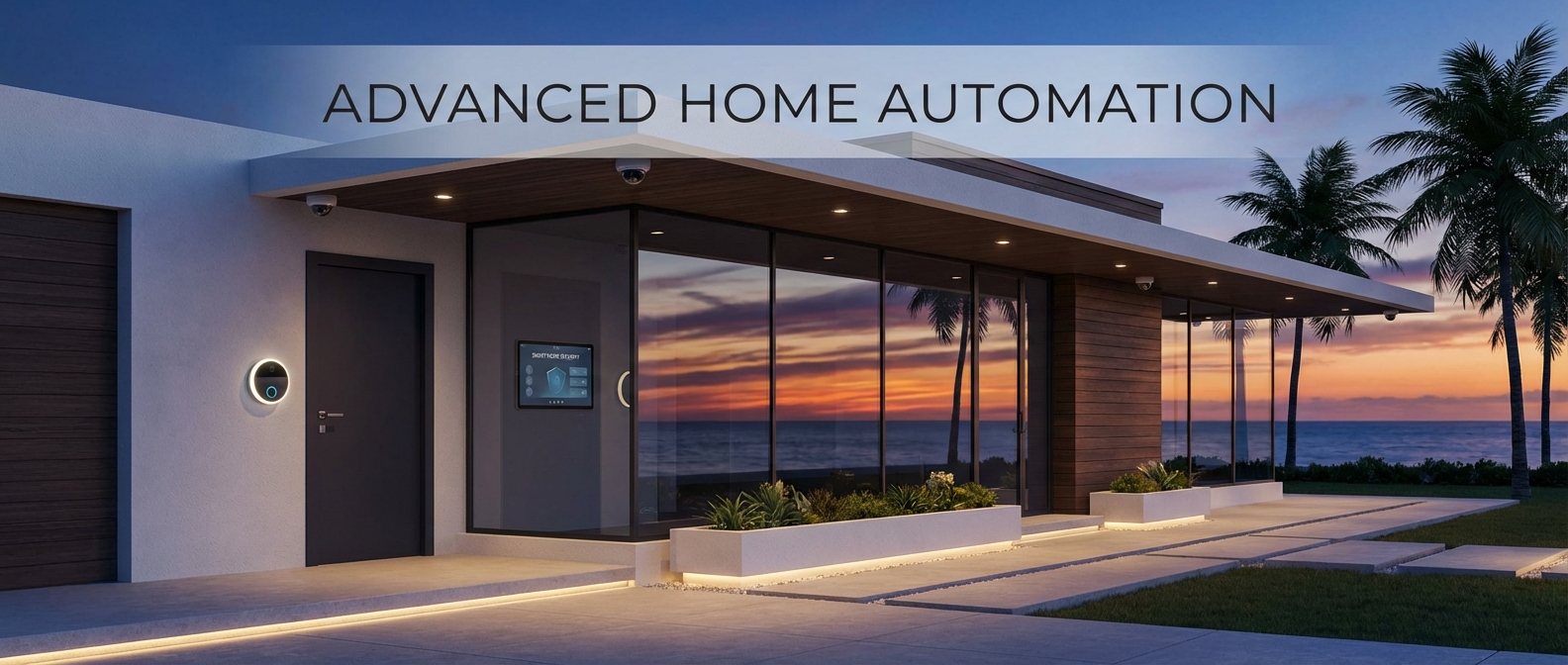
Florida’s unique combination of coastal weather, seasonal population shifts, and evolving security threats makes automated security systems more relevant than ever in 2026. As someone who’s spent over fifteen years installing and maintaining security systems throughout South Florida, I’ve watched home automation transform from a luxury feature into an essential component of comprehensive property protection.
The smart security systems available today go far beyond basic alarm monitoring. They integrate artificial intelligence, weather-resistant hardware designed specifically for our subtropical climate, and remote management capabilities that give property owners unprecedented control—whether they’re in their living room or thousands of miles away during hurricane season.
Understanding Modern Automated Security Systems
Automated security in 2026 represents a sophisticated ecosystem of interconnected devices working together to protect your property. Unlike the standalone alarm panels of previous decades, today’s Florida smart home 2026 solutions create a unified security environment that responds intelligently to threats while adapting to your daily routines.
At its core, an automated security system combines multiple protection layers: video surveillance with AI-powered analytics, smart access control, environmental sensors, and integrated alarm systems. These components communicate through secure networks, sharing data and coordinating responses in ways that dramatically improve both security effectiveness and user convenience.
The Evolution of Home Security in South Florida
The security landscape has changed dramatically in recent years. Traditional systems required manual arming and disarming, generated frequent false alarms, and provided limited information during actual security events. Modern home automation has eliminated these frustrations through context-aware technology that understands the difference between a family member arriving home, a delivery driver approaching your door, and an unauthorized person attempting access.
I’ve installed systems in Fort Lauderdale condos where residents receive instant notifications when packages arrive, with video verification and two-way audio communication. In Miami Beach properties, we’ve implemented AI security solutions that automatically adjust lighting patterns when residents travel, creating convincing occupancy simulations that deter opportunistic criminals.
Key Components of Florida-Ready Automated Security
Building an effective automated security system for Florida properties requires careful attention to our specific environmental challenges. The components you choose must withstand intense UV exposure, high humidity, salt air corrosion, and the occasional hurricane-force wind. Here’s what matters most:
Weather-Resistant Surveillance Cameras
Video surveillance forms the foundation of most smart security systems, but not all cameras can handle Florida’s climate. In 2026, professional-grade cameras feature IP67 or IP68 ratings, indicating complete protection against dust and sustained water immersion. These ratings aren’t just numbers—they represent the difference between a camera that lasts three years and one that operates reliably for a decade in coastal conditions.
Modern surveillance cameras incorporate AI-powered analytics that dramatically reduce false alarms. The technology can distinguish between a palm frond blowing across your driveway and an actual person approaching your property. During a recent installation in Boca Raton, the homeowner was amazed when their system correctly identified a person walking past their gate while ignoring the dozens of tourists and joggers passing on the public sidewalk beyond.
Resolution standards have also evolved. While 4K cameras were premium features just a few years ago, they’re now standard for most quality installations. The increased detail proves invaluable for identifying faces, reading license plates, and providing evidence when needed. However, higher resolution demands more bandwidth and storage, making professional network design essential for system reliability.
Smart Access Control Systems
Traditional keys create security vulnerabilities that automated systems eliminate entirely. Smart locks and access control platforms allow you to grant temporary access to service providers, track exactly who enters your property and when, and remotely lock or unlock doors from anywhere with internet connectivity.
For South Florida properties, this technology proves particularly valuable during hurricane preparation. I’ve had clients in Palm Beach who were able to grant emergency access to their property manager for last-minute storm shuttering while they were already evacuated to Georgia. The system logged the entry and exit times, provided video verification, and automatically re-secured the property afterward.
Advanced access control integrates with other home automation elements. Your system can automatically disarm your alarm, adjust your thermostat, and activate specific lighting scenes when it recognizes an authorized user’s smartphone approaching. When everyone leaves, the system can verify all doors are locked, set the alarm, and adjust climate controls to energy-saving modes—all without requiring anyone to remember multiple steps.
Environmental and Life Safety Sensors
Comprehensive security extends beyond preventing intrusion. Florida properties face significant risks from water damage, whether from hurricane flooding, plumbing failures, or AC condensation issues. Smart environmental sensors detect water leaks, temperature extremes, smoke, and carbon monoxide, integrating these critical alerts into your unified security system.
During the 2025 hurricane season, several of our clients’ properties detected water intrusion early enough to alert property managers and prevent catastrophic damage. One system in Coral Gables identified a failing AC drain line that would have caused extensive mold damage if discovered even a day later. These sensors essentially extend your awareness throughout your entire property, monitoring conditions 24/7 even when you’re not there.
Artificial Intelligence and Predictive Security
AI security represents the most significant advancement in automated security over the past few years. Machine learning algorithms now analyze patterns in your property’s activity, establish baselines for normal behavior, and flag anomalies that might indicate security concerns.
This technology goes well beyond simple motion detection. Advanced systems can recognize familiar faces, identify delivery vehicles versus unfamiliar cars, and even detect unusual activity patterns like someone repeatedly passing your property or loitering near entry points. The AI continuously learns and improves, becoming more accurate over time at distinguishing actual threats from routine activity.
Behavioral Analytics and Threat Detection
I recently worked with a property owner in Naples whose system identified suspicious behavior that turned out to be reconnaissance for a planned burglary in their neighborhood. The AI noticed the same vehicle passing multiple times over several days, always slowing near certain homes. The homeowner shared this information with their HOA and local law enforcement, who increased patrols and ultimately prevented several break-ins.
These intelligent systems also reduce alert fatigue—a major problem with older security systems. Rather than generating notifications for every detected motion, AI-powered platforms send alerts only when they identify genuinely unusual activity. This selectivity means you actually pay attention to the notifications you receive, rather than dismissing them as routine false alarms.
Integration with Smart Home Ecosystems
The most effective home automation security systems don’t exist in isolation. They integrate seamlessly with lighting control, climate management, entertainment systems, and even automated window treatments. This integration creates powerful security enhancements that go beyond what dedicated security equipment can achieve alone.
Consider a scenario where your cameras detect someone approaching your property late at night. An integrated system can automatically illuminate exterior lights, begin recording from multiple camera angles, send you an alert with live video, and even activate interior lights to simulate occupancy—all within seconds and without requiring any action from you.
During hurricane preparations, integrated systems become invaluable. You can create automated sequences that close and lock all hurricane shutters, secure all doors, adjust your HVAC to prevent pressure differential damage, and shut down sensitive electronic equipment—all triggered by a single command or scheduled in advance of the storm’s arrival.
Professional Installation vs. DIY Approaches
The smart security systems available in 2026 range from simple DIY camera kits to sophisticated enterprise-grade installations. While consumer products have improved significantly, there are important distinctions that affect long-term reliability, particularly in Florida’s demanding environment.
The Hidden Costs of Consumer-Grade Systems
Many homeowners initially gravitate toward affordable wireless camera systems available through retail channels. These products work well in ideal conditions, but Florida doesn’t offer ideal conditions. I’ve responded to numerous calls from frustrated property owners whose DIY systems failed during the exact moments they needed them most.
The issues typically involve inadequate weatherproofing, wireless connectivity problems during heavy rain or storms, insufficient power backup, and lack of professional-grade video storage. One client in Fort Lauderdale learned this lesson expensively when their retail wireless system lost connectivity during a severe thunderstorm—the same storm when someone broke into their detached garage. The cameras captured nothing because they couldn’t maintain their wireless connection in the heavy weather.
Beyond reliability concerns, consumer systems often lack the integration capabilities necessary for comprehensive automation. They work within their manufacturer’s ecosystem but don’t communicate effectively with other smart home platforms. This limitation prevents you from creating the sophisticated automated responses that make modern security truly effective.
Professional-Grade Advantages
Professional security installations use commercial-grade equipment designed for continuous operation in challenging environments. These systems feature hardwired connections where appropriate, enterprise-level network security, redundant power backup, and components specifically rated for outdoor use in subtropical climates.
Perhaps most importantly, professional installation includes proper network infrastructure. Many security failures ultimately trace back to inadequate network design—insufficient bandwidth, wireless dead zones, or network congestion that prevents cameras from reliably uploading footage. During our installations, we conduct comprehensive site surveys, test wireless signal strength throughout the property, and design network architecture that ensures reliable operation even when multiple devices operate simultaneously.
Professional systems also provide superior integration capabilities. We regularly connect security platforms with building automation systems, creating unified solutions where your security, lighting, climate control, and access management work together seamlessly. This level of integration simply isn’t possible with consumer products designed for individual retail sale.
Hurricane Preparedness and Automated Security
Living in South Florida means preparing for hurricane season every year. Automated security systems provide crucial capabilities before, during, and after storms that traditional security can’t match.
Pre-Storm Preparation
Modern smart security systems help you prepare your property even if you’ve already evacuated. Remote access allows you to verify that all protective measures are in place, review camera footage to check on last-minute preparations, and even grant access to emergency contacts if additional preparations become necessary.
I recommend clients create pre-programmed hurricane preparation sequences within their automation systems. These sequences might include closing motorized shutters, ensuring all access points are secured, adjusting HVAC settings to prevent pressure damage, and placing cameras into high-retention recording modes to capture any storm damage as it occurs.
Storm Monitoring and Documentation
While safety always requires evacuation when authorities recommend it, your security system can monitor your property throughout the storm. Battery backup and cellular connectivity keep systems operational even when main power and internet fail. This capability provides peace of mind and creates valuable documentation for insurance claims if damage occurs.
Several clients used their security footage after Hurricane damage in 2025 to document exactly when and how damage occurred to their properties. This evidence proved invaluable when working with insurance adjusters, eliminating disputes about whether damage resulted from wind, water, or other causes.
Post-Storm Security
Unfortunately, property crimes increase after major hurricanes as opportunistic criminals target damaged properties. Your automated security system provides crucial protection during this vulnerable period. Systems with cellular backup continue protecting your property even in areas where power hasn’t been restored, and AI-powered analytics can identify unusual activity around damaged properties.
After storms pass through our area, I always remind clients to review their security footage for signs of damage they might not have noticed during initial inspections. Cameras often capture roof damage, water intrusion points, or structural issues that aren’t immediately visible during walk-through assessments.
Privacy, Cybersecurity, and Data Protection
As security systems become more connected and intelligent, protecting the data they collect becomes increasingly important. The sophisticated AI security platforms available in 2026 process tremendous amounts of information about your property, your routines, and your activities. Ensuring this sensitive data remains secure requires attention to several key areas.
Network Security Fundamentals
Professional security installations always include network segmentation, creating separate network zones for security equipment isolated from your general internet-connected devices. This approach prevents compromised smart speakers, tablets, or computers from providing access to your security infrastructure.
We also implement strong encryption for all security data transmission and storage. Video footage, access logs, and system controls should always use current encryption standards, protecting your information from interception or unauthorized access. Regular firmware updates address newly discovered vulnerabilities, maintaining security as threats evolve.
Privacy Considerations
Automated security systems collect detailed information about activities on and around your property. Responsible system design balances security effectiveness with privacy respect. Camera positioning should focus on security-relevant areas while avoiding unintentional surveillance of neighbors’ properties or public areas beyond your property boundaries.
Modern systems also include sophisticated privacy controls. You can create privacy zones within camera views, schedule recording to occur only during specific times, and limit who has access to live or recorded footage. These features let you maintain security while respecting the privacy of family members, guests, and service providers.
Cost Considerations and ROI
Comprehensive automated security systems represent a significant investment, with professional installations typically ranging from several thousand dollars for basic coverage to $15,000 or more for extensive whole-property integration. Understanding what drives these costs helps you make informed decisions about which features provide the best value for your specific situation.
Initial Investment Components
Equipment costs vary widely based on quality and features. Professional-grade cameras with AI analytics, weather-resistant housings, and high-resolution sensors cost substantially more than consumer alternatives, but they also provide far superior reliability and longevity in Florida’s climate.
Installation labor represents another significant cost component. Properly mounting cameras for optimal coverage, running cabling through finished spaces without creating visible wire runs, configuring network infrastructure, and integrating multiple systems requires skilled labor and typically takes several days for comprehensive whole-property installations.
System programming and customization add additional costs but provide the intelligence that makes automated security truly valuable. Creating custom automation sequences, configuring AI analytics to your property’s specific needs, and programming integration between security and other home automation systems requires expertise and time.
Ongoing Costs and Savings
Most professional security systems include monthly monitoring and cloud storage fees ranging from $30 to $100 or more, depending on the number of cameras, storage retention periods, and whether you include professional monitoring services.
However, automated security often provides measurable financial returns. Many insurance companies offer premium discounts for properties with professional security systems, sometimes reducing annual premiums by 10-20%. These savings can offset monitoring costs over the system’s lifetime.
Several clients have also reported that their security systems paid for themselves by preventing single incidents. One property owner in Delray Beach captured video evidence of a contractor damaging their pool equipment, recovering thousands in repair costs that would otherwise have been disputed. Another client’s early water leak detection prevented mold remediation costs that would have exceeded the entire security system investment.
Choosing the Right System for Your Florida Property
Selecting an appropriate automated security system requires assessing your property’s specific characteristics, your security concerns, and how you actually use your space. There’s no universal “best” system—the right solution depends on your unique circumstances.
Property Assessment
Start by identifying your property’s vulnerable points. Which areas provide concealed access that could allow unauthorized entry? Where do you store valuable equipment or vehicles? Are there multiple structures that need protection? Understanding your property’s security challenges helps you prioritize where to focus coverage.
Consider your property’s architecture and landscaping. Dense tropical vegetation can create wireless signal challenges, suggesting hardwired connections may be preferable. Multi-story construction might require additional network infrastructure to ensure reliable coverage throughout the building. Waterfront properties need enhanced corrosion protection for all exterior components.
Lifestyle Considerations
How you use your property should heavily influence system design. Seasonal residents need particularly robust remote monitoring capabilities and may benefit from environmental sensors that detect problems developing during extended absences. Properties with frequent service provider access benefit from sophisticated access control that allows temporary access codes or scheduled permissions.
Think about who will interact with the system. If you’re comfortable with technology, you might appreciate detailed controls and customization options. If other family members will use the system, intuitive interfaces and simple operation become more important. The most sophisticated system provides no value if it’s too complex for its users to operate effectively.
Future-Proofing Your Investment
Technology evolves rapidly, so choosing systems with upgrade paths protects your investment. Look for platforms that regularly receive software updates, support standard protocols that enable integration with new devices, and come from manufacturers with strong track records of supporting their products long-term.
Plan infrastructure that exceeds current needs. Running extra cabling during initial installation costs relatively little compared to adding wiring later through finished spaces. Deploying network equipment with excess capacity allows you to add cameras or sensors in the future without rebuilding your infrastructure.
Working with Professional Security Integrators
The quality of your security system depends as much on proper installation and configuration as on the equipment itself. Choosing the right security integration company affects your system’s long-term reliability and your satisfaction with the investment.
What to Look for in a Security Provider
Legitimate security integration companies hold appropriate state licenses and maintain comprehensive insurance. In Florida, this means an active alarm system contractor license from the Department of Agriculture and Consumer Services. These requirements ensure providers meet minimum competency standards and carry insurance protecting you if problems occur.
Experience with Florida-specific challenges matters enormously. Installers who primarily work in different climates may not appreciate the importance of proper weatherproofing, corrosion prevention, or hurricane-resistant mounting. Look for companies with demonstrated experience handling South Florida’s environmental conditions.
Ask potential providers about their service and support capabilities. What happens when you need assistance? Do they offer 24/7 support for emergencies, or only business-hours phone support? How do they handle warranty service? The most sophisticated system provides limited value if you can’t get help when you need it.
Red Flags to Avoid
Be cautious of companies offering prices dramatically below competitors. Quality security equipment, proper installation, and ongoing support all cost money. Unrealistically low pricing usually indicates shortcuts in equipment quality, installation practices, or service capabilities that create problems later.
Similarly, be skeptical of high-pressure sales tactics or claims that seem too good to be true. Legitimate security providers focus on understanding your needs and designing appropriate solutions, not pushing specific products or creating artificial urgency.
Avoid providers who can’t clearly explain their recommendations or who dismiss your questions. Your security system affects your property protection and potentially your family’s safety. You deserve clear, comprehensive information about what you’re purchasing and why specific approaches suit your situation.
The Future of Automated Security in Florida
Smart security systems continue evolving rapidly, with several emerging technologies poised to further enhance property protection in coming years. While I always caution against buying based solely on future promises, understanding emerging trends helps inform current investment decisions.
Artificial intelligence capabilities continue advancing, with next-generation systems promising even more sophisticated threat detection and reduced false alarms. Improved AI models will better understand complex scenarios, distinguishing actual security concerns from benign activities with greater accuracy.
Integration between different smart home systems keeps improving. The Matter protocol and other standardization efforts are making it easier for devices from different manufacturers to work together seamlessly, reducing the ecosystem lock-in that has frustrated many smart home early adopters.
Energy efficiency continues improving as well. Newer security equipment uses less power while providing better performance, reducing operating costs and extending battery backup duration—particularly valuable during Florida’s severe weather events.
Take Action to Protect Your Property
Automated security systems have transformed from luxury features into practical necessities for comprehensive property protection in 2026. The combination of AI-powered intelligence, weather-resistant hardware, and seamless integration with other home automation systems creates security solutions far more effective than anything available just a few years ago.
For Florida properties specifically, these systems address our unique challenges: hurricane preparedness, extended seasonal absences, coastal environment equipment stress, and the need for remote monitoring from anywhere. The technology has matured to the point where reliability, usability, and value all align to make professional automated security an investment worth serious consideration.
At TechPro Security Products, we’ve spent over fifteen years helping South Florida property owners design and implement security solutions matched to their specific needs. We understand the environmental challenges, the integration possibilities, and the practical realities of maintaining reliable security systems in our subtropical climate.
If you’re considering automated security for your property, I encourage you to start with a professional assessment. Understanding your property’s specific vulnerabilities, your usage patterns, and your budget constraints allows us to recommend solutions that provide maximum value for your specific situation. There’s no one-size-fits-all answer in security—the right system for your property depends on your unique circumstances.
Contact us today to schedule a comprehensive security assessment of your South Florida property. We’ll evaluate your current security posture, identify potential vulnerabilities, and discuss how modern automated security systems can address your specific concerns. Whether you’re protecting a private residence, commercial facility, or HOA property, we have the expertise and experience to design solutions that work reliably in Florida’s demanding environment.
Don’t wait for a security incident to highlight vulnerabilities in your current protection. The best time to implement comprehensive automated security is before you need it, when you can thoughtfully plan and implement solutions that integrate seamlessly with your property and lifestyle.
Frequently Asked Questions
How much does a professional automated security system cost for a typical Florida home?
Professional automated security systems typically range from $3,000 to $15,000+ depending on property size, coverage area, and desired features. A basic system with 4-6 cameras, smart access control, and environmental sensors for a single-family home usually starts around $5,000-$7,000 with professional installation. Larger properties or those requiring extensive integration with other home automation systems will cost more. Monthly monitoring and cloud storage fees typically add $30-$100 per month. Many insurance companies offer premium discounts that partially offset these ongoing costs.
Will my security system work during a hurricane when power goes out?
Yes, professionally installed systems include battery backup that maintains operation during power outages, typically for 12-24 hours depending on system configuration. Many systems also include cellular backup connectivity, allowing them to function even if your internet connection fails. During extended outages, cameras typically shift to motion-activated recording to conserve power while still capturing important events. After hurricanes pass, your system provides crucial documentation of any damage and continues protecting your property during the vulnerable recovery period when property crimes often increase.
Can I monitor my Florida property remotely when I’m up north for the summer?
Absolutely—remote monitoring is one of the primary advantages of modern automated security systems. Through smartphone apps or web browsers, you can view live camera feeds, review recorded footage, receive instant alerts for unusual activity, control access systems, and adjust system settings from anywhere with internet connectivity. You can grant temporary access to property managers or service providers, verify storm preparations remotely, and monitor environmental sensors for water leaks or temperature issues that might develop during your absence. Many seasonal residents consider this capability alone worth the investment in professional automation.
How does AI security differ from traditional motion detection cameras?
Traditional motion detection triggers recording whenever anything moves within the camera’s view, generating numerous false alarms from passing cars, animals, swaying vegetation, or changing shadows. AI security uses machine learning to analyze what’s actually happening in the scene. It distinguishes between people, vehicles, and animals, recognizes familiar faces, identifies unusual behavior patterns like loitering, and ignores routine activities that don’t represent security concerns. This intelligence dramatically reduces false alerts while improving detection of actual threats. AI systems also learn over time, becoming more accurate at understanding normal activity patterns for your specific property.
What happens to my security system if my internet connection goes down?
Professional security systems include multiple redundancy layers to maintain protection during internet outages. Local recording continues on dedicated network video recorders even without internet connectivity, ensuring footage isn’t lost. Many systems include cellular backup that maintains remote monitoring and alert capabilities through mobile networks. When internet service restores, the system automatically uploads any locally stored footage to cloud storage. Critical alerts can be sent through cellular networks even when primary internet is unavailable. This redundancy is particularly important in Florida where severe weather can disrupt internet service exactly when you most need security monitoring.
Are smart security systems vulnerable to hacking?
Like any connected technology, smart security systems can be vulnerable to cyber attacks if not properly secured. However, professionally installed systems include multiple security layers that dramatically reduce these risks: network segmentation isolating security equipment from other internet-connected devices, strong encryption for all data transmission and storage, regular firmware updates addressing newly discovered vulnerabilities, and enterprise-grade network security protocols. Consumer DIY systems often lack these protections, making professional installation particularly important for security equipment. We also recommend strong unique passwords, two-factor authentication, and regular security audits to maintain protection against evolving cyber threats.
Can I integrate my security system with my existing smart home devices?
Modern security platforms offer extensive integration capabilities with other smart home systems. Your security can trigger lighting responses, adjust thermostats, control motorized window treatments, and interact with voice assistants. However, integration quality varies significantly between consumer and professional systems. Professional security platforms typically offer more sophisticated integration options through standard protocols and custom programming. During our assessments, we evaluate your existing smart home devices and recommend solutions that integrate seamlessly with your current ecosystem. The goal is creating a unified automation environment where security, comfort, and convenience systems work together intelligently.
How often do security cameras need maintenance in Florida’s harsh climate?
Professional-grade cameras designed for Florida’s environment typically require minimal maintenance beyond occasional cleaning—usually every 6-12 months depending on exposure to salt air, pollen, and dust. We recommend annual professional inspections to verify mounting hardware remains secure, check cable connections for corrosion, test night vision functionality, and ensure firmware remains current. Camera lenses should be cleaned more frequently in coastal areas where salt spray can accumulate. Consumer-grade cameras often require more frequent attention and have shorter lifespans in our climate. Choosing appropriate equipment and proper installation significantly reduces maintenance requirements and extends system longevity.
What’s the difference between consumer Ring/Nest cameras and professional security systems?
Consumer cameras like Ring and Nest work well for basic monitoring but differ significantly from professional systems in several ways. Professional systems use commercial-grade cameras with superior weather resistance, longer lifespans, and better image quality. They include local recording on dedicated network video recorders rather than relying solely on cloud storage, providing better reliability and no recurring fees per camera. Professional systems offer more sophisticated integration with access control, alarm systems, and building automation. They also include professional-grade network infrastructure ensuring reliable operation even with multiple cameras operating simultaneously. For serious property protection, especially in Florida’s challenging environment, professional systems provide significantly better long-term value despite higher initial costs.
{
    "@context": "https://schema.org",
    "@type": "FAQPage",
    "mainEntity": [
        {
            "@type": "Question",
            "name": "How much does a professional automated security system cost for a typical Florida home?",
            "acceptedAnswer": {
                "@type": "Answer",
                "text": "Professional automated security systems typically range from $3,000 to $15,000+ depending on property size, coverage area, and desired features. A basic system with 4-6 cameras, smart access control, and environmental sensors for a single-family home usually starts around $5,000-$7,000 with professional installation. Larger properties or those requiring extensive integration with other home automation systems will cost more. Monthly monitoring and cloud storage fees typically add $30-$100 per month. Many insurance companies offer premium discounts that partially offset these ongoing costs."
            }
        },
        {
            "@type": "Question",
            "name": "Will my security system work during a hurricane when power goes out?",
            "acceptedAnswer": {
                "@type": "Answer",
                "text": "Yes, professionally installed systems include battery backup that maintains operation during power outages, typically for 12-24 hours depending on system configuration. Many systems also include cellular backup connectivity, allowing them to function even if your internet connection fails. During extended outages, cameras typically shift to motion-activated recording to conserve power while still capturing important events. After hurricanes pass, your system provides crucial documentation of any damage and continues protecting your property during the vulnerable recovery period when property crimes often increase."
            }
        },
        {
            "@type": "Question",
            "name": "Can I monitor my Florida property remotely when I'm up north for the summer?",
            "acceptedAnswer": {
                "@type": "Answer",
                "text": "Absolutely—remote monitoring is one of the primary advantages of modern automated security systems. Through smartphone apps or web browsers, you can view live camera feeds, review recorded footage, receive instant alerts for unusual activity, control access systems, and adjust system settings from anywhere with internet connectivity. You can grant temporary access to property managers or service providers, verify storm preparations remotely, and monitor environmental sensors for water leaks or temperature issues that might develop during your absence. Many seasonal residents consider this capability alone worth the investment in professional automation."
            }
        },
        {
            "@type": "Question",
            "name": "How does AI security differ from traditional motion detection cameras?",
            "acceptedAnswer": {
                "@type": "Answer",
                "text": "Traditional motion detection triggers recording whenever anything moves within the camera's view, generating numerous false alarms from passing cars, animals, swaying vegetation, or changing shadows. AI security uses machine learning to analyze what's actually happening in the scene. It distinguishes between people, vehicles, and animals, recognizes familiar faces, identifies unusual behavior patterns like loitering, and ignores routine activities that don't represent security concerns. This intelligence dramatically reduces false alerts while improving detection of actual threats. AI systems also learn over time, becoming more accurate at understanding normal activity patterns for your specific property."
            }
        },
        {
            "@type": "Question",
            "name": "What happens to my security system if my internet connection goes down?",
            "acceptedAnswer": {
                "@type": "Answer",
                "text": "Professional security systems include multiple redundancy layers to maintain protection during internet outages. Local recording continues on dedicated network video recorders even without internet connectivity, ensuring footage isn't lost. Many systems include cellular backup that maintains remote monitoring and alert capabilities through mobile networks. When internet service restores, the system automatically uploads any locally stored footage to cloud storage. Critical alerts can be sent through cellular networks even when primary internet is unavailable. This redundancy is particularly important in Florida where severe weather can disrupt internet service exactly when you most need security monitoring."
            }
        },
        {
            "@type": "Question",
            "name": "Are smart security systems vulnerable to hacking?",
            "acceptedAnswer": {
                "@type": "Answer",
                "text": "Like any connected technology, smart security systems can be vulnerable to cyber attacks if not properly secured. However, professionally installed systems include multiple security layers that dramatically reduce these risks: network segmentation isolating security equipment from other internet-connected devices, strong encryption for all data transmission and storage, regular firmware updates addressing newly discovered vulnerabilities, and enterprise-grade network security protocols. Consumer DIY systems often lack these protections, making professional installation particularly important for security equipment. We also recommend strong unique passwords, two-factor authentication, and regular security audits to maintain protection against evolving cyber threats."
            }
        },
        {
            "@type": "Question",
            "name": "Can I integrate my security system with my existing smart home devices?",
            "acceptedAnswer": {
                "@type": "Answer",
                "text": "Modern security platforms offer extensive integration capabilities with other smart home systems. Your security can trigger lighting responses, adjust thermostats, control motorized window treatments, and interact with voice assistants. However, integration quality varies significantly between consumer and professional systems. Professional security platforms typically offer more sophisticated integration options through standard protocols and custom programming. During our assessments, we evaluate your existing smart home devices and recommend solutions that integrate seamlessly with your current ecosystem. The goal is creating a unified automation environment where security, comfort, and convenience systems work together intelligently."
            }
        },
        {
            "@type": "Question",
            "name": "How often do security cameras need maintenance in Florida's harsh climate?",
            "acceptedAnswer": {
                "@type": "Answer",
                "text": "Professional-grade cameras designed for Florida's environment typically require minimal maintenance beyond occasional cleaning—usually every 6-12 months depending on exposure to salt air, pollen, and dust. We recommend annual professional inspections to verify mounting hardware remains secure, check cable connections for corrosion, test night vision functionality, and ensure firmware remains current. Camera lenses should be cleaned more frequently in coastal areas where salt spray can accumulate. Consumer-grade cameras often require more frequent attention and have shorter lifespans in our climate. Choosing appropriate equipment and proper installation significantly reduces maintenance requirements and extends system longevity."
            }
        },
        {
            "@type": "Question",
            "name": "What's the difference between consumer Ring/Nest cameras and professional security systems?",
            "acceptedAnswer": {
                "@type": "Answer",
                "text": "Consumer cameras like Ring and Nest work well for basic monitoring but differ significantly from professional systems in several ways. Professional systems use commercial-grade cameras with superior weather resistance, longer lifespans, and better image quality. They include local recording on dedicated network video recorders rather than relying solely on cloud storage, providing better reliability and no recurring fees per camera. Professional systems offer more sophisticated integration with access control, alarm systems, and building automation. They also include professional-grade network infrastructure ensuring reliable operation even with multiple cameras operating simultaneously. For serious property protection, especially in Florida's challenging environment, professional systems provide significantly better long-term value despite higher initial costs.\r\n```"
            }
        }
    ]
}