Best Security Systems for South Florida Commercial
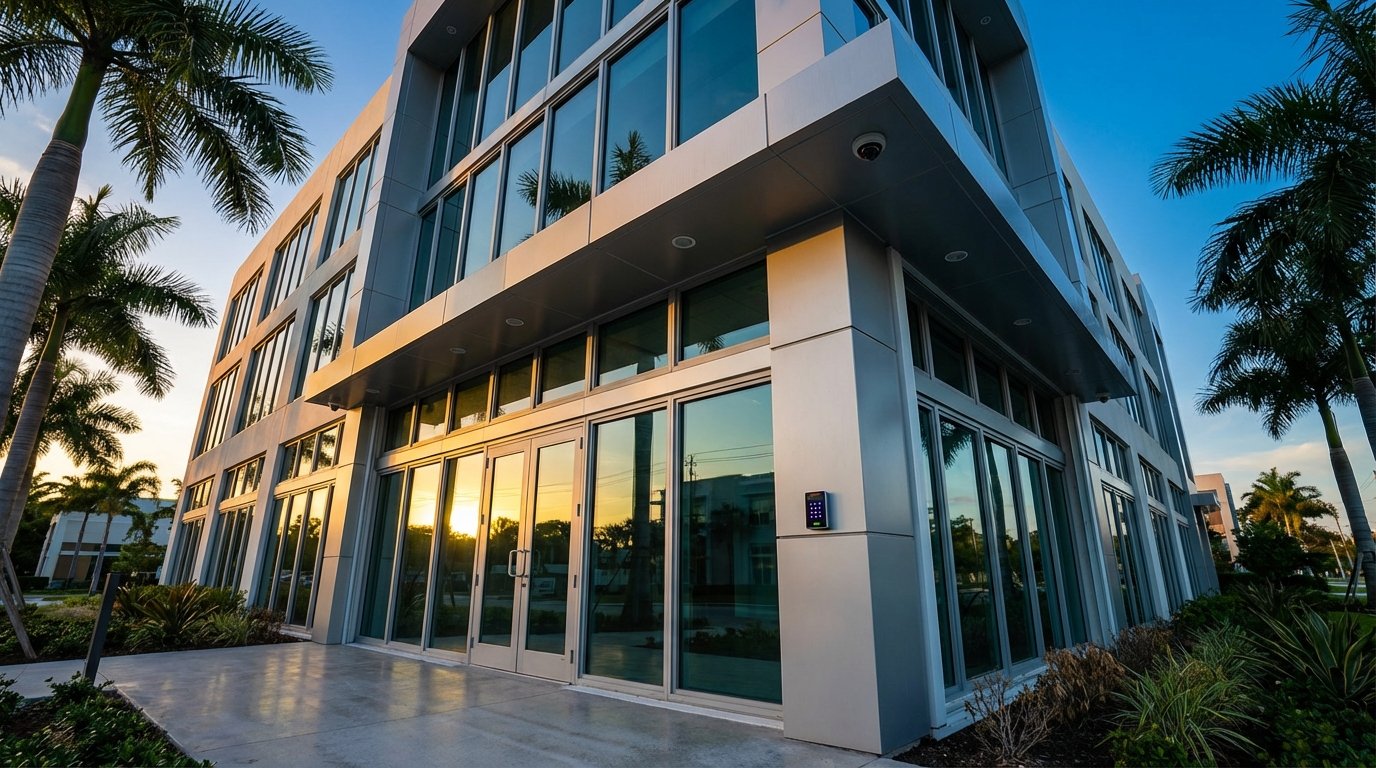
After 15 years of installing security systems across South Florida, I’ve learned that choosing the right security solution for our unique environment isn’t just about cameras and alarms—it’s about understanding how hurricane-force winds, salt air, and extreme humidity impact every component of your system. I’m Brad Besner, founder of TechPro Security Products, and I’ve seen firsthand how the wrong security investment can fail when you need it most, whether that’s during a Category 4 hurricane or a sophisticated break-in attempt.
The commercial security landscape has evolved dramatically in 2026, with AI-powered analytics, cloud-based management, and weatherproof technologies that actually withstand Florida’s coastal conditions. For South Florida businesses, HOAs, and commercial property managers, selecting the best security systems means balancing cutting-edge technology with proven durability against our region’s environmental challenges.
Why South Florida Security Systems Require Special Considerations
South Florida isn’t just another market for security systems—it’s one of the most demanding environments in the continental United States. The combination of salt air corrosion, 95% humidity levels, intense UV exposure, and regular hurricane threats means that security equipment must meet higher standards than what works in Phoenix or Seattle.
I’ll never forget a call we received in September 2023 from a commercial client whose DIY security system completely failed during Hurricane Idalia. The cameras corroded from salt air exposure, the alarm panel shorted out from moisture infiltration, and their entire investment was lost—along with critical footage they needed for an insurance claim. That’s exactly the scenario we help businesses avoid.
The Unique Environmental Challenges
Commercial properties in South Florida face security challenges that demand specialized solutions:
- Salt Air Corrosion: Properties within five miles of the coast experience accelerated deterioration of standard security equipment, with camera housings, mounting brackets, and wiring connections particularly vulnerable.
- Hurricane Preparedness: Systems must maintain functionality during extended power outages, withstand 150+ mph winds, and provide backup recording capabilities when internet connectivity fails.
- Extreme Heat and Humidity: Equipment operating in direct sunlight can reach internal temperatures exceeding 140°F, while moisture infiltration causes electrical failures in improperly sealed components.
- Lightning and Power Surges: Florida leads the nation in lightning strikes, making surge protection and proper grounding absolutely critical for system longevity.
The best security systems for South Florida commercial properties aren’t necessarily the most expensive or feature-rich—they’re the ones engineered to maintain reliable operation in our subtropical climate while delivering the monitoring, access control, and surveillance capabilities your business requires.
Essential Features for Commercial Security Systems in 2026
Based on hundreds of commercial installations across Miami-Dade, Broward, and Palm Beach counties, I’ve identified the non-negotiable features that separate professional-grade security systems from consumer products that fail within months.
Weather-Resistant Hardware Components
Standard IP66 ratings aren’t sufficient for South Florida coastal installations. We specify equipment with IP67 or IP68 ratings, which provide complete protection against dust ingress and sustained water immersion. Equally important are stainless steel mounting hardware, marine-grade cable connections, and housing materials that resist UV degradation.
For one HOA property in Boca Raton, we installed thermal camera systems that monitor the perimeter 24/7 regardless of weather conditions, lighting levels, or seasonal foliage changes. These systems detect heat signatures rather than relying on visible light, making them ideal for properties concerned about sophisticated intruders or after-hours access.
Backup Power and Redundancy
A security system that stops working when the power goes out isn’t providing security—it’s creating a vulnerability window. Professional-grade systems incorporate:
- Battery backup systems rated for minimum 24-72 hours of operation
- Local storage redundancy that continues recording even when cloud connectivity fails
- Cellular failover options that maintain alarm monitoring during internet outages
- Automatic system health monitoring with alerts when backup systems are compromised
During Hurricane Ian’s aftermath in 2022, our clients with properly configured backup systems maintained complete security coverage while neighboring properties went dark for days. That continuous protection isn’t just about deterring break-ins—it’s about documenting any damage, unauthorized access, or vandalism that occurs during emergency situations.
AI-Powered Analytics and Smart Detection
The transformation in security analytics between 2024 and 2026 has been remarkable. Modern AI-powered systems reduce false alarms by up to 95% compared to motion-based detection, while providing actionable intelligence about security events. For commercial properties, this means:
- Vehicle recognition that distinguishes between authorized vendors, employees, and unknown vehicles
- People counting and occupancy monitoring for facility management
- Behavior analysis that identifies loitering, perimeter violations, or unusual traffic patterns
- License plate recognition for parking enforcement and access control
We recently implemented AI-powered monitoring for a commercial complex in Fort Lauderdale that was experiencing package theft. The system learned to distinguish between legitimate deliveries and suspicious individuals, sending real-time alerts only when behavior patterns indicated potential theft. Within two weeks, the client identified and prosecuted a serial thief who had been targeting multiple properties in the area.
For property managers seeking measurable security ROI, our AI-powered security cameras ROI guide provides detailed analysis of cost savings, liability reduction, and operational efficiency improvements.
Professional Integration Capabilities
The best commercial security systems don’t operate in isolation—they integrate seamlessly with access control, building management systems, and emergency response protocols. Professional-grade platforms support:
- Single-platform management of cameras, access control, intrusion detection, and intercom systems
- Role-based access for security staff, property managers, and authorized personnel
- Integration with building automation for lighting, HVAC, and elevator control
- API access for custom integrations with property management software
This integration capability becomes particularly valuable for HOA communities and multi-tenant commercial properties where coordinating multiple security functions streamlines operations and reduces management overhead.
Top Commercial Security System Categories for South Florida in 2026
Rather than recommending specific brands (which change frequently with technology evolution and supply chain considerations), I’ll outline the proven system architectures that deliver reliable performance for South Florida commercial properties.
Enterprise-Grade IP Video Surveillance
For businesses requiring comprehensive video coverage with extended retention periods and advanced analytics, enterprise IP camera systems remain the foundation of effective security. These systems feature:
- 4K or higher resolution cameras with wide dynamic range for challenging lighting conditions
- Hybrid cloud and local storage with configurable retention policies
- Marine-grade camera housings with corrosion-resistant mounting hardware
- Power over Ethernet (PoE) infrastructure with centralized UPS backup
- Bandwidth-optimized encoding that reduces storage costs without sacrificing image quality
For a recent warehouse installation in Hialeah, we deployed 32 cameras covering 75,000 square feet of indoor and outdoor space. The system provides 60-day continuous recording, real-time mobile access for management, and AI-powered alerts for after-hours intrusions. Total investment was approximately $45,000, with an expected system lifespan exceeding 10 years.
Integrated Access Control and Video Verification
Modern access control has evolved far beyond basic card readers. Today’s systems combine credential management with video verification, creating comprehensive records of facility access while preventing unauthorized entry. Key features include:
- Multi-factor authentication combining cards, mobile credentials, and biometric verification
- Video verification that captures footage of every access event
- Wireless lock options that simplify installation in existing buildings
- Temporary credential management for contractors, vendors, and visitors
- Anti-passback rules and man-trap configurations for high-security applications
For HOA communities, integrated access control manages gate access, amenity areas, and common facilities through a unified platform. Residents appreciate the convenience of mobile credentials, while property managers gain detailed audit trails of facility usage.
Perimeter Protection and Intrusion Detection
Detecting threats before they reach your building provides the most effective security posture. Advanced perimeter protection combines multiple technologies:
- Thermal imaging cameras that detect intrusions regardless of lighting or weather conditions
- AI-powered analytics that distinguish between threats and false alarms (animals, vegetation movement, shadows)
- Monitored alarm systems with verified response protocols
- Audio deterrence systems with two-way communication capabilities
Our thermal camera solutions have proven particularly effective for South Florida properties with large perimeters, providing reliable detection in complete darkness, through light fog, and during heavy rain—conditions when standard cameras become essentially useless.
Smart Building Integration and Automation
The convergence of security, building automation, and operational efficiency defines 2026’s most advanced commercial installations. Automated security systems now coordinate:
- Lighting systems that respond to security events or time-based schedules
- HVAC controls that reduce energy consumption in unoccupied areas
- Emergency notification systems that integrate with fire alarms and emergency response
- Occupancy monitoring that supports space utilization analysis and capacity management
For a medical office building in Coral Springs, we implemented automated protocols that arm intrusion detection when the last employee exits, adjust lighting based on security camera motion detection, and send facilities alerts when unauthorized after-hours access occurs. The system paid for itself within 18 months through energy savings alone, with the security benefits providing additional value.
Investment Considerations and Total Cost of Ownership
When discussing security system pricing with commercial clients, I emphasize total cost of ownership rather than initial installation costs. A system that costs 30% less upfront but requires replacement in three years due to environmental failure isn’t a bargain—it’s an expensive mistake.
Budget Ranges for Professional Systems
Based on 2026 pricing for professional-grade installations in South Florida:
- Small Business (5-10 cameras, basic access control): $15,000-$30,000 installed, with expected 7-10 year lifespan
- Medium Commercial Property (15-30 cameras, integrated access control, intrusion detection): $40,000-$75,000 installed
- Large Commercial or HOA Community (30+ cameras, perimeter protection, building automation): $100,000+ depending on property size and complexity
These ranges include professional installation, proper weatherproofing for South Florida conditions, comprehensive warranty coverage, and initial training. They also account for infrastructure costs like network upgrades, UPS backup systems, and proper surge protection—expenses that DIY installations often overlook until equipment failures occur.
Hidden Costs of Inadequate Systems
Over the years, I’ve consulted with dozens of businesses seeking to replace failed security systems. The common themes are instructive:
- Consumer-grade equipment corroded by salt air, requiring complete replacement within 18-24 months
- Inadequate surge protection leading to repeated lightning damage and incremental equipment replacement
- Systems without proper backup power becoming useless during the exact emergencies when security is most critical
- Poor camera placement or inadequate resolution resulting in footage that’s legally or operationally unusable
- Lack of professional monitoring creating liability exposure when security events aren’t detected in real-time
A commercial client in Pompano Beach initially chose a consumer-focused security system to save costs, spending approximately $8,000 on DIY installation. Within 18 months, half the cameras failed due to moisture infiltration, the NVR was damaged by a power surge, and they needed complete system replacement. Their total security investment over two years exceeded $20,000—more than a professional system would have cost initially, with significant security gaps during the replacement period.
Warranty and Support Considerations
Professional security installations should include comprehensive warranty coverage:
- Minimum 5-year equipment warranty on cameras and recording devices
- 3-year warranty on access control hardware and locks
- Installation workmanship warranty covering all labor and components
- US-based technical support with response times appropriate for commercial applications
At TechPro Security Products, we provide extended warranty options and preventative maintenance programs that include annual system health checks, firmware updates, and hurricane preparedness inspections—services that dramatically extend system lifespan in our challenging climate.
How to Select the Right Security System for Your South Florida Property
Choosing the best security system requires matching your specific requirements with appropriate technology while accounting for South Florida’s environmental demands. Here’s the framework I use when consulting with commercial clients.
Step 1: Conduct a Professional Security Assessment
Before selecting equipment, understand your vulnerabilities. A thorough security assessment identifies:
- High-risk areas requiring enhanced monitoring or access control
- Existing security gaps in current systems or procedures
- Traffic patterns and operational workflows that impact camera placement
- Regulatory or insurance requirements specific to your industry
- Future expansion needs and scalability requirements
TechPro Security Products provides complimentary security assessments for commercial properties throughout South Florida. During these consultations, we walk the property, discuss operational requirements, and develop customized recommendations based on your specific situation and budget.
Step 2: Prioritize Features Based on Actual Threats
Not every property needs thermal cameras or AI-powered analytics. Focus investment on security measures that address documented threats or compliance requirements:
- Retail properties benefit most from comprehensive video coverage and remote monitoring
- Warehouses and industrial facilities require perimeter protection and after-hours intrusion detection
- Office buildings prioritize access control and visitor management
- HOA communities need gate access control, amenity monitoring, and parking enforcement
Step 3: Evaluate Installation Companies
The quality of installation often matters more than equipment selection. When evaluating security companies, verify:
- Florida state licensing (electrical contractors license for security work)
- Manufacturer certifications demonstrating technical expertise
- Local references from similar properties or industries
- Experience with South Florida environmental conditions
- Warranty and support capabilities after installation
- Financial stability ensuring long-term support availability
I’ve seen beautiful security system designs undermined by poor installation—inadequate weatherproofing, improper network configuration, insufficient backup power, or camera angles that miss critical areas. Professional installation expertise is particularly valuable in South Florida where environmental factors amplify any installation deficiencies.
Step 4: Plan for Hurricane Preparedness
Every South Florida security system should include hurricane preparedness protocols:
- Battery backup rated for minimum 48-72 hours of operation
- Cameras positioned to avoid wind-blown debris paths
- Weatherproof connections with marine-grade sealant
- Pre-storm testing procedures to ensure system readiness
- Cloud storage backup for critical footage
- Post-storm inspection and restoration plans
During hurricane season, we proactively contact clients to review system status, verify backup battery health, and confirm cloud storage functionality. These simple preparations have helped dozens of properties maintain security coverage during and after major storms.
Step 5: Consider Ongoing Monitoring and Maintenance
Security systems require ongoing attention to maintain effectiveness:
- Professional monitoring services that provide verified alarm response
- Regular maintenance including camera cleaning, firmware updates, and battery replacement
- Periodic security audits as your business evolves
- Training for new staff members on system operation
Our clients with active maintenance agreements experience 40% fewer service calls and significantly longer equipment lifespans compared to “install and forget” approaches. In South Florida’s harsh environment, preventative maintenance isn’t optional—it’s essential for reliable system operation.
Common Mistakes to Avoid When Implementing Security Systems
Over 15 years, I’ve identified recurring mistakes that compromise security effectiveness or lead to costly system failures:
Underestimating Environmental Impact
The single most common failure mode I see is installing equipment not rated for South Florida’s coastal environment. Standard outdoor cameras corrode within months near the ocean. Consumer-grade electronics fail when exposed to our humidity levels. Mounting hardware rusts and fails, sending expensive cameras crashing to the ground.
Always specify marine-grade or industrial-rated equipment for South Florida installations, particularly properties within five miles of the coast. The 15-20% premium for properly rated equipment is insignificant compared to complete system replacement costs.
Inadequate Network Infrastructure
Modern security systems generate substantial network traffic, particularly high-resolution cameras with AI analytics. Attempting to run professional security systems on inadequate network infrastructure results in dropped connections, recording gaps, and system instability.
Professional installations include network assessment and often require infrastructure upgrades—dedicated security VLANs, managed network switches, increased internet bandwidth, and proper network security configurations. These aren’t optional extras; they’re prerequisites for reliable system operation.
Overlooking User Training
The most sophisticated security system provides little value if staff don’t know how to use it effectively. Comprehensive user training should cover:
- Daily operational procedures for arming/disarming and monitoring
- How to search and export video footage for investigations or legal proceedings
- Access control credential management for employees and visitors
- Emergency procedures and system backup protocols
- Mobile app functionality for remote access and monitoring
Choosing Systems Based Solely on Price
Security system selection is an investment in asset protection, liability reduction, and operational efficiency—not a commodity purchase where the lowest price wins. The cheapest option typically becomes the most expensive when accounting for premature failure, inadequate coverage, and replacement costs.
Focus on total cost of ownership, system reliability, and the security coverage appropriate for your risk profile. A properly designed professional system costs more initially but delivers dramatically better value over its operational lifespan.
Why Professional Installation Matters in South Florida
While some regions can successfully implement DIY security systems, South Florida’s environmental challenges make professional installation essentially mandatory for reliable long-term operation. Here’s why:
Specialized Weatherproofing Techniques
Professional installers understand the specific techniques required for South Florida durability—proper connection sealing, drainage considerations, stainless steel hardware selection, cable routing that prevents water infiltration, and mounting methods that withstand hurricane-force winds. These details aren’t found in installation manuals; they’re learned through years of experience in coastal environments.
Code Compliance and Licensing
Florida requires licensed electrical contractors for most commercial security installations. Professional companies maintain necessary licensing, insurance, and permits, ensuring installations meet local codes and protecting property owners from liability. DIY or unlicensed installations may void insurance coverage and create legal exposure if system failures contribute to security incidents.
Proper System Design
Camera placement, detection zones, access control configuration, and network architecture require expertise that develops over hundreds of installations. Professional designers account for lighting conditions, traffic patterns, environmental factors, and operational workflows that dramatically impact system effectiveness.
For a recent retail installation in Miami Beach, our design included strategic camera placement that captured facial images despite challenging backlighting from storefront windows—something that wouldn’t have been addressed in DIY installation, resulting in footage showing silhouettes rather than identifiable faces.
Warranty Protection
Manufacturer warranties typically require professional installation. DIY installations often void equipment warranties, leaving you completely unprotected if components fail. Given the environmental stresses of South Florida, warranty coverage becomes even more critical.
The Future of Commercial Security in South Florida
Looking ahead through 2026 and beyond, several emerging technologies will reshape commercial security while addressing South Florida’s unique challenges:
Advanced AI and Predictive Analytics
The next generation of security systems will move beyond reactive alerts toward predictive threat identification. Machine learning algorithms will identify unusual patterns suggesting emerging security risks before incidents occur—repeated unauthorized access attempts, unusual traffic patterns, or behavioral anomalies indicating potential threats.
Enhanced Cybersecurity Integration
As security systems become increasingly connected, cybersecurity protection evolves from optional feature to critical requirement. Professional systems now incorporate network segmentation, encrypted communications, multi-factor authentication, and regular security audits protecting against both physical and digital threats.
Sustainability and Energy Efficiency
Solar-powered backup systems, energy-efficient cameras, and smart building integration reduce operational costs while maintaining security effectiveness. For large commercial properties, these efficiency improvements generate measurable ROI through reduced electricity consumption.
Integration with Emergency Response
Enhanced integration between security systems and emergency services enables faster, more effective response to security incidents. Video verification, automated emergency notifications, and real-time incident sharing with law enforcement improve response times and incident outcomes.
Frequently Asked Questions
What makes South Florida security systems different from systems in other regions?
South Florida security systems must withstand extreme environmental conditions including salt air corrosion, 95% humidity, intense UV exposure, hurricane-force winds, and frequent lightning strikes. Equipment rated for standard outdoor use often fails within months in coastal South Florida, requiring marine-grade components, enhanced weatherproofing, and corrosion-resistant mounting hardware. Additionally, systems must include extended battery backup for hurricane-related power outages and local storage redundancy when internet connectivity fails during storms.
How much should commercial properties budget for professional security systems in 2026?
Small commercial properties with 5-10 cameras and basic access control should budget $15,000-$30,000 for professional installation. Medium-sized properties requiring 15-30 cameras with integrated access control and intrusion detection typically invest $40,000-$75,000. Large commercial properties or HOA communities with perimeter protection and building automation require $100,000+ depending on property size and complexity. These ranges include professional installation, proper weatherproofing, warranty coverage, and training—essential factors for long-term reliability in South Florida’s challenging environment.
Are DIY security systems suitable for South Florida commercial properties?
DIY security systems are generally not recommended for South Florida commercial properties due to environmental challenges requiring professional-grade equipment and specialized installation techniques. Consumer-grade systems lack the weatherproofing, backup power, and durability needed for reliable long-term operation in coastal environments. Additionally, Florida licensing requirements, insurance considerations, and the complexity of commercial security needs make professional installation essential for adequate protection and liability management.
How long do professional security systems last in South Florida’s climate?
Properly installed professional-grade security systems in South Florida typically provide 7-10 years of reliable operation with appropriate maintenance. Systems using marine-grade components and professional weatherproofing techniques withstand environmental stresses significantly better than consumer equipment. Regular maintenance including camera cleaning, firmware updates, connection inspection, and battery replacement extends system lifespan. Properties near the coast or with direct salt air exposure may require component replacement on shorter cycles, making ongoing maintenance agreements particularly valuable.
What security features are most important for hurricane preparation?
Critical hurricane preparedness features include battery backup rated for 72+ hours of operation, local storage redundancy that continues recording during internet outages, cellular failover for alarm monitoring, weatherproof camera housings rated for direct water exposure, and surge protection for lightning strikes. Systems should also include pre-storm testing protocols, cloud storage backup for critical footage, and cameras positioned to avoid wind-blown debris. Professional installations account for these requirements during initial design rather than attempting retrofits after system failure.
How do thermal cameras improve perimeter security for South Florida properties?
Thermal cameras detect heat signatures rather than relying on visible light, providing reliable perimeter monitoring regardless of lighting conditions, weather, or seasonal foliage changes. They detect intrusions through complete darkness, heavy rain, light fog, and challenging lighting conditions when standard cameras become ineffective. For South Florida properties with large perimeters or areas with dense vegetation, thermal cameras dramatically reduce false alarms while improving detection reliability. AI-powered analytics distinguish between human intrusions, animals, and environmental factors, providing actionable security alerts rather than nuisance notifications.
Take the Next Step in Protecting Your South Florida Property
Selecting the best security system for your South Florida commercial property requires balancing advanced technology with proven environmental durability, comprehensive coverage with budget considerations, and current needs with future scalability. After 15 years of installations throughout Miami-Dade, Broward, and Palm Beach counties, I can tell you that the most successful security implementations start with thorough consultation, professional design, and quality installation using equipment engineered for our unique climate.
Every property faces distinct security challenges based on location, industry, operational requirements, and risk profile. Cookie-cutter solutions rarely provide adequate protection or optimal value. Whether you’re securing a retail storefront, warehouse facility, office building, or HOA community, the investment in professional security consultation pays dividends through properly designed systems that deliver reliable protection year after year.
At TechPro Security Products, we’ve protected hundreds of South Florida commercial properties with security systems designed specifically for our coastal environment. Our comprehensive approach includes:
- Complimentary security assessments identifying vulnerabilities and recommending solutions matched to your needs and budget
- Professional design accounting for environmental challenges, operational workflows, and future expansion
- Licensed installation using marine-grade components and specialized weatherproofing techniques
- Extended warranty coverage and US-based technical support
- Preventative maintenance programs including hurricane preparedness inspections
- Ongoing training and support as your business evolves
Don’t wait for a security incident to expose vulnerabilities in your current protection. Contact TechPro Security Products today for a complimentary security consultation. We’ll assess your property, discuss your specific concerns, and develop customized recommendations that provide comprehensive protection without unnecessary costs. With 15+ years of South Florida experience, we understand both the technology and the unique challenges of protecting coastal properties in 2026’s evolving security landscape.
Call us today to schedule your free security assessment and discover how professional security systems designed for South Florida’s demanding environment provide the reliable protection your property deserves.
{ “@context”: “https://schema.org”, “@type”: “FAQPage”, “mainEntity”: [ { “@type”: “Question”, “name”: “What makes South Florida security systems different from systems in other regions?”, “acceptedAnswer”: { “@type”: “Answer”, “text”: “South Florida security systems must withstand extreme environmental conditions including salt air corrosion, 95% humidity, intense UV exposure, hurricane-force winds, and frequent lightning strikes. Equipment rated for standard outdoor use often fails within months in coastal South Florida, requiring marine-grade components, enhanced weatherproofing, and corrosion-resistant mounting hardware. Additionally, systems must include extended battery backup for hurricane-related power outages and local storage redundancy when internet connectivity fails during storms.” } }, { “@type”: “Question”, “name”: “How much should commercial properties budget for professional security systems in 2026?”, “acceptedAnswer”: { “@type”: “Answer”, “text”: “Small commercial properties with 5-10 cameras and basic access control should budget $15,000-$30,000 for professional installation. Medium-sized properties requiring 15-30 cameras with integrated access control and intrusion detection typically invest $40,000-$75,000. Large commercial properties or HOA communities with perimeter protection and building automation require $100,000+ depending on property size and complexity. These ranges include professional installation, proper weatherproofing, warranty coverage, and training—essential factors for long-term reliability in South Florida’s challenging environment.” } }, { “@type”: “Question”, “name”: “Are DIY security systems suitable for South Florida commercial properties?”, “acceptedAnswer”: { “@type”: “Answer”, “text”: “DIY security systems are generally not recommended for South Florida commercial properties due to environmental challenges requiring professional-grade equipment and specialized installation techniques. Consumer-grade systems lack the weatherproofing, backup power, and durability needed for reliable long-term operation in coastal environments. Additionally, Florida licensing requirements, insurance considerations, and the complexity of commercial security needs make professional installation essential for adequate protection and liability management.” } }, { “@type”: “Question”, “name”: “How long do professional security systems last in South Florida’s climate?”, “acceptedAnswer”: { “@type”: “Answer”, “text”: “Properly installed professional-grade security systems in South Florida typically provide 7-10 years of reliable operation with appropriate maintenance. Systems using marine-grade components and professional weatherproofing techniques withstand environmental stresses significantly better than consumer equipment. Regular maintenance including camera cleaning, firmware updates, connection inspection, and battery replacement extends system lifespan. Properties near the coast or with direct salt air exposure may require component replacement on shorter cycles, making ongoing maintenance agreements particularly valuable.” } }, { “@type”: “Question”, “name”: “What security features are most important for hurricane preparation?”, “acceptedAnswer”: { “@type”: “Answer”, “text”: “Critical hurricane preparedness features include battery backup rated for 72+ hours of operation, local storage redundancy that continues recording during internet outages, cellular failover for alarm monitoring, weatherproof camera housings rated for direct water exposure, and surge protection for lightning strikes. Systems should also include pre-storm testing protocols, cloud storage backup for critical footage, and cameras positioned to avoid wind-blown debris. Professional installations account for these requirements during initial design rather than attempting retrofits after system failure.” } }, { “@type”: “Question”, “name”: “How do thermal cameras improve perimeter security for South Florida properties?”, “acceptedAnswer”: { “@type”: “Answer”, “text”: “Thermal cameras detect heat signatures rather than relying on visible light, providing reliable perimeter monitoring regardless of lighting conditions, weather, or seasonal foliage changes. They detect intrusions through complete darkness, heavy rain, light fog, and challenging lighting conditions when standard cameras become ineffective. For South Florida properties with large perimeters or areas with dense vegetation, thermal cameras dramatically reduce false alarms while improving detection reliability. AI-powered analytics distinguish between human intrusions, animals, and environmental factors, providing actionable security alerts rather than nuisance notifications.” } } ] }