Remote Guard Monitoring South Florida | Save 60-70% on Security
Traditional security guards cost South Florida businesses between $50,000 and $100,000 annually per guard position. Remote guard monitoring delivers the same—or better—protection at 60-70% less cost while eliminating common security vulnerabilities like guard fatigue, missed incidents, and gaps in coverage.
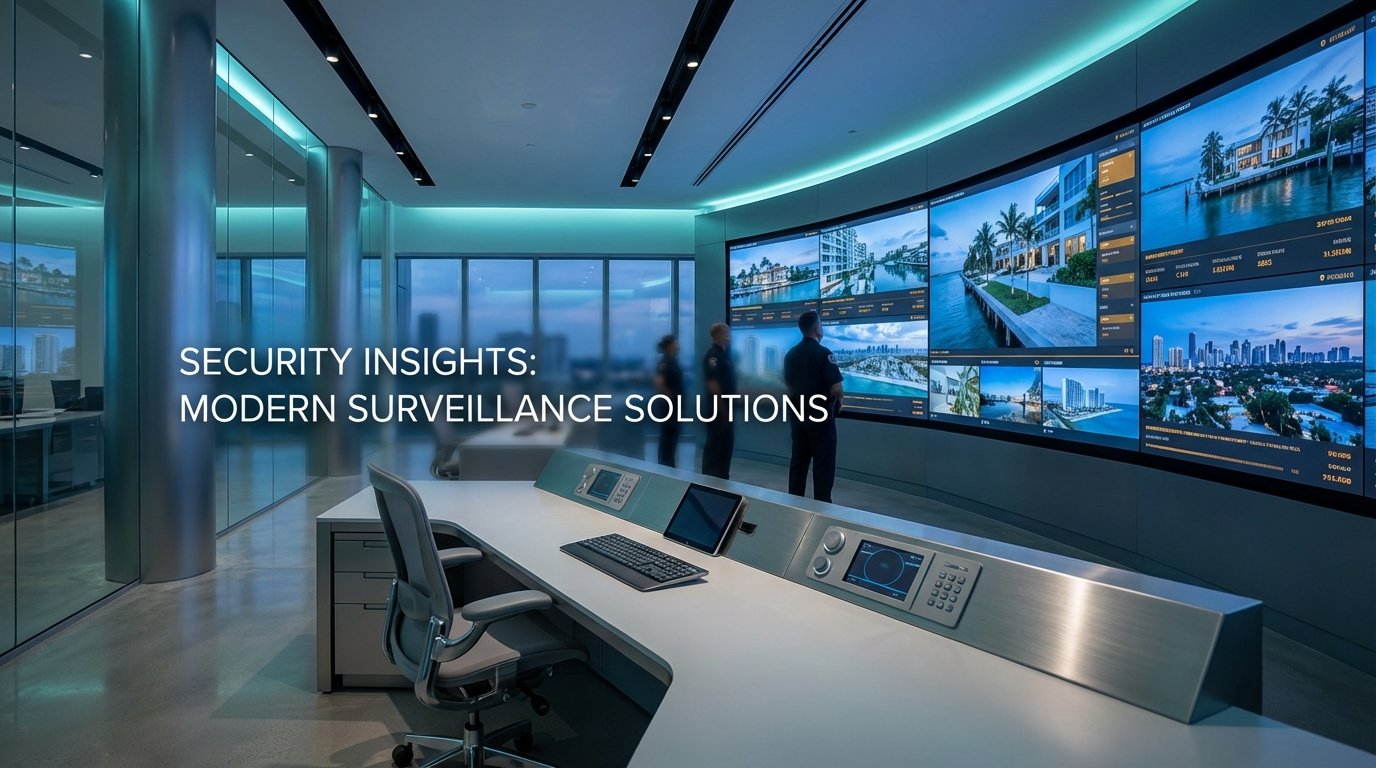
Remote guard monitoring combines advanced video surveillance technology with live human oversight from centralized command centers. Professional security operators watch multiple properties simultaneously, responding to AI-detected threats in real-time through two-way audio warnings, lighting activation, and direct law enforcement coordination. This hybrid approach merges the consistency of artificial intelligence with human judgment, creating a security solution that’s transforming how South Florida businesses protect their assets.
What Is Remote Guard Monitoring?
Remote guard monitoring represents a sophisticated evolution in property security. Rather than stationing physical guards on-site, this system uses strategically placed high-resolution cameras equipped with advanced analytics to monitor your property 24/7. When the system detects suspicious activity, trained security professionals in remote monitoring stations assess the situation and take immediate action.
The technology works through several integrated components:
Video Analytics and AI Detection: Modern cameras equipped with artificial intelligence continuously analyze video feeds for specific behaviors—loitering, perimeter breaches, unauthorized vehicle access, or after-hours activity. These systems distinguish between actual threats and false alarms caused by animals, weather events, or passing traffic.
Live Operator Response: Unlike passive recording systems, remote guard monitoring includes real-time human oversight. When AI flags potential security issues, operators immediately review the video feed and determine appropriate responses. This human element prevents the false alarm fatigue common with automated-only systems.
Active Intervention Capabilities: Remote operators don’t just observe—they intervene. Through integrated audio systems, operators can issue live verbal warnings to trespassers, often deterring criminal activity before property damage or theft occurs. They can also activate strobe lights, sirens, and other deterrents while simultaneously dispatching law enforcement with verified threat information.
Detailed Documentation: Every incident generates comprehensive records including video footage, operator notes, and response timelines. This documentation proves invaluable for insurance claims, legal proceedings, and security protocol improvements.
For South Florida commercial properties, this approach addresses specific regional challenges including hurricane-related evacuations when facilities sit empty, seasonal business fluctuations affecting staffing, and the high costs associated with traditional security personnel in competitive labor markets.
How Remote Guard Monitoring Works: The Complete Process
Understanding the operational workflow helps property owners appreciate why this technology delivers superior results compared to traditional security approaches.
Initial Setup and Strategic Camera Placement
Professional security integrators assess your property to identify vulnerable entry points, high-value asset locations, and critical monitoring zones. Camera placement considers lighting conditions, coverage angles, and potential blind spots. Unlike consumer-grade installations, commercial systems require precise positioning to ensure optimal performance in diverse conditions.
South Florida properties benefit from cameras specifically rated for high humidity, salt air exposure, and intense UV radiation. Professional installations include weatherproofing, surge protection for lightning-prone regions, and backup power systems maintaining operation during frequent summer storms.
Continuous Monitoring and Threat Detection
Once operational, your camera system transmits live video feeds to a monitoring center staffed around the clock. Advanced video analytics run continuously, scanning for predefined security events:
- Perimeter breaches after business hours
- Vehicle activity in restricted areas
- Loitering behavior near entrances or high-value zones
- Motion detection in secured spaces
- License plate captures for access verification
- Unusual patterns that deviate from baseline activity
The AI component handles the tedious work of continuous observation, flagging only legitimate concerns for human review. This dramatically reduces the false alarm rates that plague motion-sensor-only systems, where every palm frond movement or passing vehicle triggers unnecessary alerts.
Real-Time Response Protocols
When the system detects suspicious activity, trained operators spring into action following established escalation procedures:
Level 1 - Verification: Operators immediately review the triggered camera feed along with adjacent camera views to confirm the nature of the activity. This verification step filters out false positives before any intervention occurs.
Level 2 - Verbal Warning: For confirmed unauthorized presence, operators issue live audio warnings through on-site speakers: “This is property security. You are trespassing on private property. Please leave immediately. Law enforcement has been notified.” This intervention alone prevents many incidents from escalating.
Level 3 - Active Deterrence: If trespassers ignore verbal warnings, operators activate additional deterrents—strobe lights, sirens, or spotlight activation—while maintaining visual contact and recording all activity.
Level 4 - Law Enforcement Coordination: Operators contact local police with verified threat information, real-time suspect descriptions, exact locations, and ongoing activity updates. This verified intelligence results in higher-priority responses compared to standard alarm calls.
Post-Incident Review and Reporting
After every security event, property managers receive detailed incident reports including video clips, timestamps, operator actions taken, and outcome documentation. This creates an invaluable security audit trail while identifying patterns that may require protocol adjustments or additional physical security measures.
Key Benefits of Remote Guard Monitoring for Commercial Properties
The advantages of remote guard monitoring extend well beyond simple cost savings, though financial benefits remain significant.
Dramatic Cost Reduction Without Compromising Security
Traditional security guards require salaries, benefits, insurance, training, and supervision. For 24/7 coverage, you need at least three full-time guards accounting for shifts, breaks, and time off—easily exceeding $150,000 annually before management overhead.
Remote guard monitoring typically costs $1,000-$3,000 monthly depending on property size and camera quantity, representing 60-80% savings while often providing superior coverage. Those savings compound over time while eliminating human resource management burdens.
Consistent, Fatigue-Free Vigilance
Human guards face inevitable attention lapses during overnight shifts or after weeks of uneventful monitoring. Remote guard systems maintain identical vigilance levels during hour one and hour 8,000. The technology never gets distracted by smartphones, never takes unauthorized breaks, and never falls asleep on duty.
Multiple properties share monitoring resources, meaning dozens of trained eyes can focus on your facility when incidents occur, rather than relying on a single guard who might be checking a different building sector when trouble starts.
Comprehensive Coverage Across Large Properties
Physical guards can only be in one location at any moment. Even walking patrols create predictable patterns that sophisticated criminals exploit. Remote guard monitoring provides simultaneous coverage across every camera location—perimeter fences, parking lots, loading docks, building entrances, and interior high-value areas.
For warehouse security systems or large commercial campuses, this comprehensive visibility proves essential. Criminals can’t simply wait for patrol patterns or exploit blind spots when every area receives continuous monitoring.
Reduced Liability and Enhanced Safety
On-site security guards face physical confrontation risks during security incidents. Remote monitoring eliminates these dangers while often proving more effective—verbal warnings from invisible observers typically prompt faster retreat than face-to-face confrontations that can escalate unpredictably.
Property owners also avoid liability concerns associated with guard actions during security incidents. Professional monitoring centers maintain extensive training, insurance coverage, and documented response protocols that protect all parties.
Superior Evidence Collection
High-resolution cameras capture detailed evidence admissible in legal proceedings and essential for insurance claims. Unlike human witnesses whose recollections fade or change, video evidence provides objective documentation of exactly what occurred, when, and who was involved.
Many remote guard systems now include license plate recognition capabilities, automatically capturing vehicle information for every entry and exit—critical for tracking unauthorized access or investigating incidents.
Scalability and Flexibility
Business needs change. Remote guard monitoring scales efficiently—adding cameras to cover new construction, removing coverage from vacated facilities, or adjusting monitoring intensity during seasonal fluctuations. This flexibility proves particularly valuable for South Florida businesses experiencing tourist season variations or hurricane season preparations.
Ideal Applications: Which South Florida Properties Benefit Most?
While remote guard monitoring works for virtually any commercial property, certain facilities realize exceptional value from this security approach.
Retail Centers and Shopping Plazas
After-hours break-ins, parking lot incidents, and perimeter security represent constant concerns for retail properties. Remote monitoring provides comprehensive parking lot surveillance, entrance monitoring, and immediate response to after-hours activity. For retail store security systems, integration with existing cameras often enables cost-effective monitoring upgrades without complete system replacement.
Warehouses and Distribution Centers
Large facilities with valuable inventory, limited staff, and multiple access points create security challenges perfectly suited to remote monitoring. Comprehensive perimeter coverage, loading dock oversight, and after-hours monitoring protect assets while maintaining detailed access records for compliance and liability protection.
Construction Sites
Equipment theft costs construction companies billions annually. Temporary fencing provides minimal deterrence against organized theft rings targeting generators, tools, and materials. Remote guard monitoring with mobile camera units protects these dynamic environments despite constantly changing site configurations. Real-time intervention often stops theft in progress, recovering equipment before criminals leave the premises.
Auto Dealerships
Vehicle inventory represents millions in exposed assets. Remote monitoring protects dealership lots overnight while documenting test drive activity, lot movements, and service area access during business hours. The comprehensive recording proves invaluable for fraudulent damage claims and theft investigations.
HOA Communities and Gated Neighborhoods
Homeowner associations seeking professional security without stationing guards at entry gates benefit tremendously from remote monitoring. Gate access verification, pool area oversight, clubhouse monitoring, and perimeter security create comprehensive community protection while maintaining the budget-conscious approach HOA boards require. HOA security systems often combine access control integration with remote monitoring for complete community management.
Parking Structures
Multi-level parking facilities create unique security challenges with numerous entry points, limited visibility, and frequent after-hours criminal activity. Parking garage security systems with remote monitoring address these vulnerabilities through strategic camera placement, license plate capture, and immediate response to suspicious activity across all levels simultaneously.
Choosing the Right Remote Guard Monitoring Solution
Not all remote monitoring services deliver equivalent performance. Understanding key differentiators helps property owners select solutions matching their specific security requirements.
Video Quality and Camera Specifications
Low-resolution cameras compromise the entire system. Professional installations require minimum 4MP resolution for general surveillance, with higher resolutions for license plate capture and facial recognition applications. Night vision capabilities must provide clear imaging in complete darkness—essential for South Florida properties where many security incidents occur after sunset.
Weather-resistant ratings matter significantly in coastal environments. Look for cameras rated IP66 or higher with corrosion-resistant housings designed for salt air exposure.
AI Analytics Sophistication
Basic motion detection generates excessive false alarms. Advanced AI analytics distinguish between people, vehicles, and animals while recognizing specific behaviors like loitering, wrong-way movement, or perimeter crossing. This intelligence ensures operators focus on genuine threats rather than wasting time reviewing irrelevant triggers.
Some systems now incorporate advanced features like abandoned object detection (identifying suspicious packages or equipment left in unusual locations) and crowd detection for retail or entertainment properties managing occupancy limits.
Monitoring Center Operations
Understanding who monitors your property and how they operate proves crucial. Key questions include:
- What operator-to-camera ratios does the monitoring center maintain?
- Are operators trained specifically in security response protocols?
- How quickly do operators typically respond to system alerts?
- What escalation procedures govern law enforcement contact?
- Does the monitoring center operate 24/7/365 without interruption?
Premium monitoring services maintain lower operator-to-camera ratios ensuring rapid response, while budget providers may sacrifice response times for cost savings.
Integration Capabilities
The most effective security solutions integrate multiple technologies. Remote guard monitoring should connect seamlessly with existing access control systems, intrusion detection, fire alarms, and building management systems. This integration enables sophisticated automation—like having cameras automatically focus on doors when access control systems register unauthorized credential attempts.
For properties exploring comprehensive security upgrades, understanding how AI-powered security cameras integrate with monitoring services helps property managers calculate true return on investment.
Customizable Response Protocols
Every property has unique security requirements. Your monitoring service should accommodate customized response protocols reflecting your specific concerns—perhaps focusing on particular building sections during certain hours, providing different responses for different zones, or coordinating with on-site personnel when available.
Best Practices for Maximizing Remote Guard Monitoring Effectiveness
Technology alone doesn’t guarantee security success. Following professional best practices ensures your investment delivers optimal protection.
Conduct Comprehensive Security Assessments
Professional security integrators perform detailed vulnerability assessments before designing camera layouts. This analysis identifies high-risk areas, determines optimal camera positioning, evaluates lighting conditions, and reveals physical security weaknesses requiring attention beyond surveillance technology.
This assessment stage often uncovers simple physical improvements—better lighting, fence repairs, or vegetation trimming—that dramatically enhance overall security when combined with monitoring technology.
Implement Layered Security Approaches
Remote guard monitoring works most effectively as part of comprehensive security strategies. Combining surveillance with physical access control, intrusion detection systems, proper lighting, and physical barriers creates multiple obstacles that deter most criminal activity before it begins.
For example, perimeter fencing with integrated motion detection alerts remote operators the moment someone attempts entry, enabling verbal warnings before trespassers reach buildings. This layered approach stops threats earlier in the attack chain.
Maintain Regular System Testing and Maintenance
Camera lenses accumulate dirt, network connections occasionally fail, and lighting conditions change seasonally. Professional security integrators provide regular maintenance ensuring continuous optimal performance. Quarterly system checks verify camera alignment, clean lenses, test audio systems, and confirm network connectivity.
Many security failures occur not from sophisticated attacks but from simple equipment failures that went unnoticed until a critical incident revealed system gaps.
Train Staff on Security Protocols
Employees should understand how the security system operates and what behaviors trigger alerts. This knowledge prevents inadvertent false alarms while ensuring staff know how to communicate with remote operators during actual security incidents.
Clear protocols for opening/closing procedures, after-hours access requirements, and emergency response procedures create security culture reinforcing technological protections.
Review Incident Reports and Adjust Accordingly
Monthly security reviews examining incident patterns, false alarm rates, and response effectiveness enable continuous security improvements. Perhaps certain camera angles need adjustment, detection sensitivity requires tuning, or additional cameras would close coverage gaps revealed through actual operational experience.
This continuous improvement approach ensures your security system evolves with changing threats and property usage patterns.
Understanding the Limitations and Considerations
While remote guard monitoring delivers exceptional value, understanding its limitations ensures realistic expectations and proper implementation.
Environmental Challenges
Despite advanced technology, severe weather can temporarily compromise camera visibility. Heavy rain, fog, or camera lens obstruction from debris during storms may create temporary blind spots. Professional installations minimize these issues through proper housing, strategic positioning, and redundant coverage, but complete immunity from environmental factors remains impossible.
South Florida properties should ensure backup power systems maintain operation during electrical outages common during summer storms. Quality installations include battery backup and generator integration preventing security gaps during power failures.
Internet Connectivity Requirements
Remote monitoring requires reliable, high-bandwidth internet connectivity. Properties with inadequate network infrastructure must address these limitations before implementing cloud-based monitoring solutions. Bandwidth requirements increase with camera quantity and resolution, making professional network assessment essential during planning stages.
For remote locations or properties with unreliable internet service, hybrid systems with local recording backup ensure no footage loss even during connectivity interruptions, though real-time monitoring capabilities temporarily cease until connection restoration.
Cannot Physically Intervene
Remote operators provide exceptional surveillance and immediate verbal intervention, but they cannot physically stop determined criminals already on-site. While verbal warnings and law enforcement dispatch deter most incidents, remote monitoring doesn’t replace physical security measures for the highest-risk properties requiring immediate physical response capabilities.
The optimal solution for many properties combines remote monitoring for comprehensive coverage with occasional on-site security during highest-risk periods—special events, high-value inventory periods, or known threat situations.
Frequently Asked Questions
How quickly do remote operators respond to security alerts?
Professional monitoring centers typically respond within 30 seconds of system alerts. Operators immediately begin reviewing triggered cameras while the AI analytics are still processing the event, enabling rapid assessment and intervention before situations escalate.
Can remote guard monitoring replace all on-site security personnel?
For many properties, yes. However, facilities requiring physical access control (checking credentials at entry points), customer service functions, or immediate physical intervention during incidents may benefit from hybrid approaches combining remote monitoring with limited on-site personnel.
What happens if internet connectivity fails?
Quality systems include local recording backup ensuring no footage loss during network outages. While real-time monitoring temporarily ceases, all activity continues recording locally. Advanced systems include cellular backup connections maintaining remote monitoring even during primary network failures.
How does remote monitoring handle false alarms?
AI analytics dramatically reduce false alarm rates by distinguishing between genuine threats and benign triggers. When uncertain situations occur, operators visually verify before taking action. This two-stage verification process—AI plus human assessment—virtually eliminates false alarm law enforcement dispatches that plague traditional alarm systems.
Is remote guard monitoring legal in Florida?
Yes, remote guard monitoring is fully legal throughout Florida for commercial properties. However, audio recording may require two-party consent in certain situations, and workplace monitoring must comply with employee privacy expectations. Professional security integrators ensure installations meet all legal requirements including proper signage and compliance with privacy regulations.
What kind of cost savings can businesses expect?
Most South Florida businesses reduce security costs 60-80% compared to staffing traditional security guards while often improving coverage and response capabilities. A property spending $120,000 annually on guard services might reduce costs to $30,000-$40,000 for comprehensive remote monitoring.
Getting Started with Remote Guard Monitoring
Implementing remote guard monitoring begins with professional assessment. Licensed security integrators evaluate your property’s unique characteristics, security vulnerabilities, and specific requirements before designing customized solutions.
TechPro Security Products provides comprehensive remote guard monitoring solutions for South Florida commercial properties. Our experienced team conducts detailed security assessments, designs optimal camera layouts, handles professional installation, and coordinates integration with trusted monitoring partners delivering 24/7 protection.
Our approach emphasizes education and partnership. We take time explaining how technology protects your specific property, demonstrating system capabilities, and ensuring you understand exactly what you’re purchasing before making commitments. With US-based technical support and extended warranty options, we maintain ongoing relationships focused on your long-term security success.
Every consultation begins with understanding your unique security concerns and budget parameters. We then design solutions matching your requirements rather than pushing predetermined packages. This customized approach ensures you receive appropriate protection without unnecessary features inflating costs.
Remote guard monitoring represents one of the most significant security technology advances for commercial properties in decades. The combination of AI-powered detection, human oversight, active intervention capabilities, and comprehensive documentation delivers superior protection at substantially lower costs than traditional security approaches. For South Florida property owners seeking maximum security value, remote monitoring deserves serious consideration as you evaluate protection options for 2026 and beyond.
Contact TechPro Security Products today for a complimentary security assessment and discover how remote guard monitoring can transform protection for your South Florida commercial property while reducing security expenses significantly.