Warehouse Security Camera Setup Guide (2024) - Expert Tips
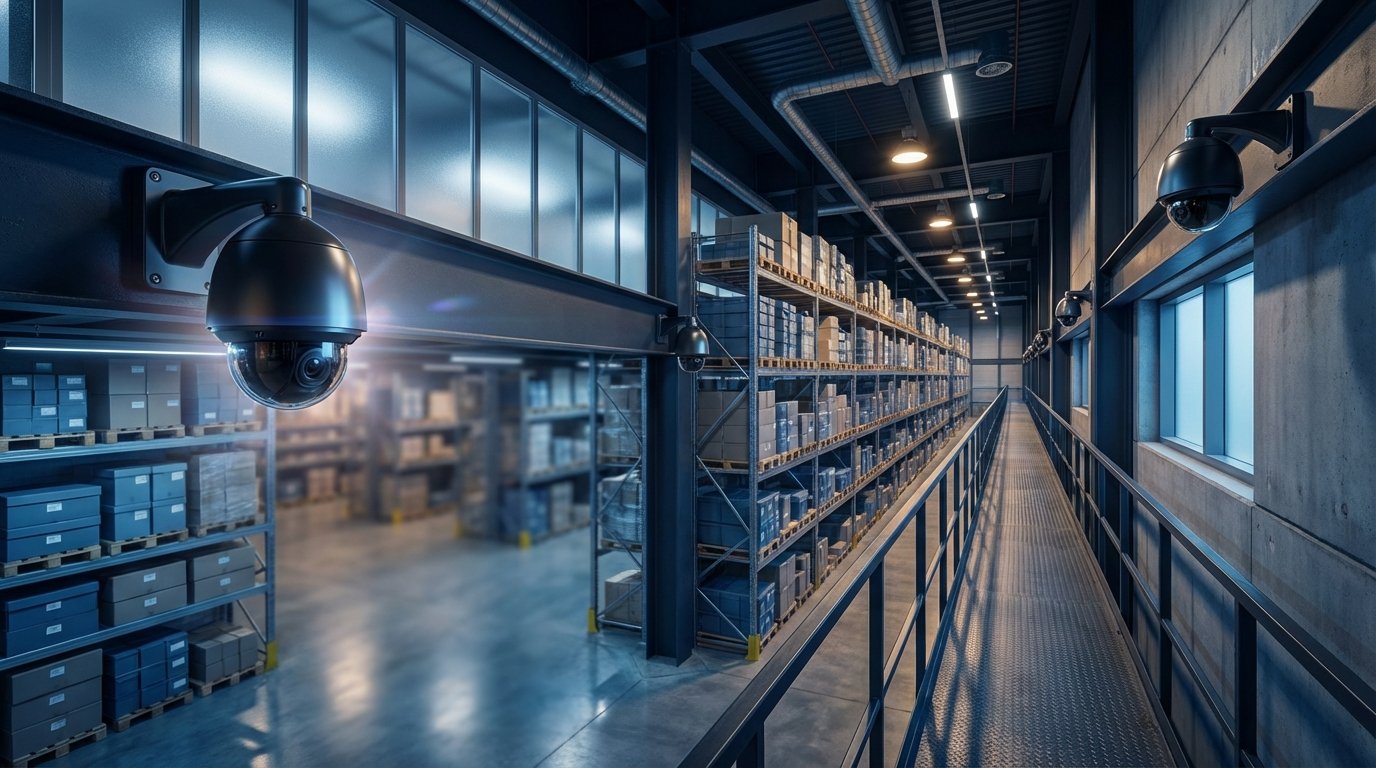
Warehouse theft costs U.S. businesses over $35 billion annually, with South Florida facilities facing unique security challenges due to their proximity to major shipping ports and high-value inventory concentrations. A properly designed warehouse security camera setup serves as both deterrent and documentation system, protecting assets while providing crucial evidence when incidents occur.
Modern warehouse security demands more than simply mounting a few cameras and hoping for the best. Strategic camera placement, appropriate technology selection, and professional installation create comprehensive coverage that addresses blind spots, monitors multiple entry points, and captures the detail necessary for identification and prosecution.
Understanding Warehouse Security Camera Requirements
Warehouse facilities present distinct surveillance challenges compared to retail or office environments. The combination of high ceilings, expansive floor spaces, loading docks, and 24/7 operations requires careful planning and specialized equipment.
Scale and Coverage Considerations
Most warehouses span tens of thousands of square feet, with ceiling heights ranging from 20 to 40 feet or higher. This vertical distance affects camera selection significantly—standard cameras designed for 10-foot ceiling installations won’t provide adequate detail at warehouse heights.
Coverage priorities include:
- Loading docks and receiving areas where inventory enters and exits
- High-value storage zones containing premium or frequently targeted items
- Perimeter doors and emergency exits that represent potential breach points
- Employee work stations including packing, sorting, and staging areas
- Parking lots and exterior perimeters for comprehensive facility monitoring
A 50,000-square-foot warehouse typically requires 20-30 strategically placed cameras to eliminate blind spots and provide overlapping coverage in critical zones.
Environmental Factors in South Florida
South Florida’s subtropical climate introduces specific considerations for warehouse security camera setup. While indoor cameras face fewer challenges than exterior units, facilities with open loading docks or partially climate-controlled spaces must account for:
Temperature fluctuations between air-conditioned interiors and outdoor loading areas can create condensation on camera lenses. Cameras rated for temperature variance prevent image degradation during humidity shifts.
Dust and debris from constant loading operations require cameras with appropriate IP (Ingress Protection) ratings. IP66 or higher ensures dust-tight seals that maintain performance despite warehouse conditions.
Power surge protection becomes essential during Florida’s frequent thunderstorm season. Professional installations include surge protectors and backup power systems to prevent downtime and equipment damage.
Essential Camera Types for Warehouse Applications
Selecting appropriate camera technology directly impacts coverage effectiveness and total system cost. Understanding the capabilities and limitations of each camera type enables informed decisions aligned with specific security requirements.
PTZ Cameras for Dynamic Coverage
Pan-Tilt-Zoom cameras offer versatility in large warehouse spaces. A single PTZ camera can monitor wide areas through remote control or automated patrol patterns. Security personnel can zoom in on suspicious activity, track individuals across the floor, or focus on specific loading dock activity in real-time.
Modern PTZ cameras feature:
- 30x to 40x optical zoom for detailed identification at distance
- Automated tracking that follows detected motion
- Preset positions returning to specific views on schedule or trigger
- Integration capabilities with alarm systems and access control
However, PTZ cameras have an important limitation—they can only view one direction at a time. Critical areas require fixed cameras for constant coverage, with PTZ units supplementing rather than replacing comprehensive camera placement.
Fixed Dome Cameras for Constant Monitoring
Fixed dome cameras provide reliable, continuous coverage of specific areas. Their 360-degree mounting capability and vandal-resistant housing make them ideal for warehouse applications where equipment durability matters.
Benefits include:
- No moving parts reducing maintenance requirements
- Discrete appearance that doesn’t draw attention
- Wide-angle coverage of general floor areas
- Lower cost compared to PTZ alternatives
For warehouse security camera setup, fixed cameras form the surveillance backbone, covering entry points, aisles, and work areas with consistent recording.
Specialty Cameras for Specific Challenges
Certain warehouse zones benefit from specialized camera technology:
License plate recognition (LPR) cameras at vehicle entry points automatically capture and log all vehicles accessing the facility. This creates accountability for delivery drivers, employees, and visitors while simplifying investigation of theft or unauthorized access. License plate recognition cameras for business parking lots provide comprehensive tracking capabilities that standard cameras cannot match.
High-resolution cameras in inventory staging areas capture detail sufficient for reading serial numbers, identifying product conditions, and documenting packaging integrity. 4K resolution cameras provide four times the detail of 1080p models, crucial for high-value merchandise monitoring.
Low-light cameras with infrared capabilities ensure 24/7 coverage in warehouses with overnight operations or limited lighting. Starlight technology enables color video in near-darkness, while traditional IR provides black-and-white footage in complete darkness.
Strategic Camera Placement Methodology
Random camera placement creates coverage gaps that experienced thieves quickly identify and exploit. Professional warehouse security camera setup follows a systematic approach that maximizes deterrence while minimizing equipment requirements.
Entry and Exit Point Coverage
Every access point requires redundant camera coverage. A single camera malfunction shouldn’t create a blind spot at critical entry locations.
Main entrance doors need both interior and exterior coverage, capturing faces of individuals entering and leaving while documenting any unusual entry attempts or forced access.
Loading dock doors represent the highest-risk area for theft. Camera positioning should capture:
- Dock plate areas where product transitions between trucks and warehouse
- Truck license plates and company identification
- Personnel loading and unloading merchandise
- Seals or locks on trailers before and after loading
Position cameras to avoid direct backlight from open dock doors, which can obscure detail. Side-angle mounting or HDR (High Dynamic Range) cameras compensate for challenging lighting conditions.
Emergency exits often receive insufficient attention until they’re exploited. Motion-activated alerts on emergency exit cameras provide immediate notification when doors open, preventing unauthorized use.
Interior Coverage Strategy
Warehouse floor monitoring balances comprehensive coverage with budget constraints. Rather than attempting to capture every aisle with high detail, strategic placement focuses on:
Choke points where traffic naturally concentrates—intersections, staging areas, and equipment storage zones provide high-value monitoring locations.
High-theft merchandise receives dedicated camera coverage regardless of location. Products with high resale value, small size, or frequent demand consistently face greater theft risk and warrant prioritized monitoring.
Employee work zones including packing stations, inventory control areas, and break rooms provide accountability while protecting against false accusations. Cameras documenting normal operations protect both employers and employees.
Perimeter and Parking Security
External monitoring extends security beyond warehouse walls. Perimeter cameras detect potential threats before they reach the building while documenting vehicle and pedestrian activity in parking areas.
Warehouse security systems increasingly integrate thermal cameras for perimeter monitoring. These specialized units detect heat signatures rather than visible light, identifying intruders in complete darkness, through fog, and at distances exceeding 1,000 feet.
Building corners require special attention—camera placement should eliminate blind spots where individuals could approach undetected. Overlapping coverage from multiple angles ensures that camera vandalism or obstruction doesn’t create security gaps.
Recording and Storage Infrastructure
High-quality cameras produce large video files. A single 4K camera recording continuously generates approximately 7TB of data monthly. Multiply this across 20-30 cameras, and storage requirements become substantial.
Network Video Recorder Configuration
Modern warehouse security camera setup relies on Network Video Recorders (NVRs) that receive, process, and store footage from IP cameras. Professional-grade NVRs feature:
Redundant storage with RAID configurations protecting against hard drive failure Bandwidth management controlling network usage during peak operational hours Advanced search functions enabling rapid footage retrieval by time, camera, or detected motion Remote access capabilities allowing authorized viewing from any location
Storage duration depends on insurance requirements, industry regulations, and internal policies. Most South Florida warehouses maintain 30-90 days of continuous footage, with extended retention for flagged incidents.
Cloud Backup and Hybrid Solutions
While on-site recording provides immediate access and control, cloud backup offers critical redundancy. If equipment theft or damage destroys the physical NVR, cloud-stored footage remains accessible for investigation and insurance claims.
Hybrid systems balance local and cloud storage:
- Continuous recording to on-site NVR for regular access
- Automatic cloud backup of motion-detected events
- Extended cloud retention for incidents requiring investigation
Bandwidth costs and upload limitations make continuous cloud recording impractical for most warehouses. Selective backup strategies provide protection without excessive ongoing expenses.
Professional Installation Versus Alternative Approaches
Warehouse security camera setup complexity exceeds typical commercial installations. Height requirements, network infrastructure, and integration demands create challenges that professional installation resolves efficiently.
Technical Infrastructure Requirements
Proper camera installation extends beyond mounting hardware to walls or ceilings. Comprehensive systems require:
Network infrastructure providing Power over Ethernet (PoE) to each camera location. Running Cat6 cable through warehouse environments demands specialized equipment and knowledge of electrical codes.
Electrical capacity supporting NVR systems, monitors, and backup power. Professional electricians ensure installations meet local requirements and inspector approval.
Integration capabilities connecting cameras with access control systems, alarm monitoring, and building management platforms. Best security systems for South Florida commercial properties feature seamless integration that DIY installations rarely achieve.
Licensing and Compliance Considerations
Florida law requires proper licensing for commercial security system installation. Professional installers carry:
- State electrical licenses appropriate to system scope
- General liability insurance protecting clients during installation
- Workers’ compensation coverage for installation teams
Beyond licensing, professional installers ensure systems comply with local building codes, fire safety regulations, and industry-specific requirements. Warehouses storing certain materials or operating in regulated industries face additional compliance demands that licensed professionals navigate routinely.
Ongoing Support and System Optimization
Initial installation represents just the beginning of a security system’s lifecycle. Professional providers offer:
Warranty coverage extending beyond manufacturer warranties to include labor and service calls Regular maintenance preventing minor issues from becoming system failures System updates implementing new features and security patches Training ensuring staff maximizes system capabilities
These ongoing services justify the premium of professional installation, especially for warehouses where security system failure creates immediate vulnerability.
Advanced Features Enhancing Warehouse Security
Basic video recording provides reactive security—reviewing footage after incidents occur. Modern warehouse security camera setup incorporates proactive features that prevent loss and streamline operations.
Video Analytics and AI Detection
Artificial intelligence transforms cameras from passive recorders into active monitoring systems. AI-powered video analytics identify:
Unusual behavior patterns such as loitering in restricted areas, accessing facilities during unusual hours, or repeatedly visiting high-value zones Crowd detection alerting managers when excessive personnel congregate in areas, potentially indicating safety issues or unauthorized activities Object removal triggering alerts when items leave designated areas, catching theft as it occurs rather than discovering shortage during inventory counts Perimeter violations providing immediate notification when individuals or vehicles cross defined boundaries
Machine learning algorithms reduce false alarms by distinguishing between genuine security threats and routine activities. Systems learn normal warehouse operations, flagging only truly anomalous events for human review.
Integration with Access Control
Coordinated security systems provide capabilities beyond standalone cameras. Integration between video surveillance and access control creates:
Visual verification of access badge usage, confirming that the person entering matches the credential holder Automated alerts when doors remain open beyond specified periods or access occurs outside authorized schedules Comprehensive audit trails combining video footage with access logs for complete incident documentation
This integration proves particularly valuable for investigating internal theft, where knowing who accessed areas matters as much as seeing what occurred inside.
Remote Monitoring Capabilities
Modern warehouse security camera setup enables management oversight from anywhere with internet connectivity. Mobile apps and web interfaces provide:
- Live viewing from any camera in the system
- Playback of recorded footage with timeline navigation
- Push notifications for detected events or triggered alarms
- Two-way audio communication through cameras with speakers
Remote capabilities prove essential for multi-location operations, after-hours monitoring, and immediate response to security alerts regardless of physical location.
Calculating Total System Investment
Understanding warehouse security camera setup costs requires examining all system components, not just camera hardware prices.
Professional installations include:
Equipment costs covering cameras, NVR, monitors, and storage drives Installation labor including cable running, mounting, configuration, and testing Infrastructure requirements such as network switches, PoE injectors, and electrical work Project management coordinating installation timing, equipment delivery, and personnel scheduling
A typical 30-camera warehouse system ranges from $25,000 to $60,000 depending on technology selection, facility complexity, and integration requirements. Understanding business security camera system costs helps establish realistic budgets that deliver necessary coverage without overspending on unnecessary features.
Financing options, tax deductions for security investments, and insurance premium reductions offset initial costs. Many warehouses achieve positive ROI within 18-24 months through prevented theft alone.
Frequently Asked Questions
How long do warehouses keep camera footage?
Most warehouses retain footage for 30-90 days through continuous recording. Retention duration depends on storage capacity, insurance requirements, and regulatory obligations. Some industries face specific retention mandates—warehouses storing pharmaceuticals or operating as bonded facilities may require 180 days or longer. Important incidents are typically archived separately for extended periods or indefinitely.
What security camera has no monthly fee?
Systems using local NVR recording with on-site storage avoid monthly fees entirely. However, many warehouses choose cloud backup services, remote monitoring, or professional monitoring that include monthly costs. These ongoing expenses provide valuable redundancy and service but aren’t mandatory for basic operation. Quality professional systems operate without monthly fees if cloud features aren’t required.
How do you install a security camera step by step?
Professional warehouse installation follows a systematic process: initial site survey documenting camera locations and cabling routes, infrastructure installation including network cables and electrical connections, camera mounting at specified locations with proper aiming and focus, NVR configuration and camera network setup, system testing verifying coverage and recording functionality, and finally staff training on system operation. DIY installation risks inadequate coverage, improper configuration, and code violations that professional installation avoids.
Is it better to have wired or wireless security cameras?
Warehouses benefit significantly from wired camera installations. Wired systems provide reliable power through PoE, consistent network connectivity without wireless interference, and unlimited bandwidth for high-resolution recording. Wireless cameras suit temporary installations or locations where cabling proves impossible, but warehouses rarely face these constraints. The reliability and performance advantages of wired systems justify the additional installation complexity for permanent commercial installations.
Implementing Your Warehouse Security Strategy
Effective warehouse security camera setup protects inventory, documents incidents, and provides accountability across operations. South Florida warehouses facing unique security challenges benefit from professional assessment, appropriate technology selection, and expert installation that addresses specific facility requirements.
Strategic camera placement eliminates blind spots while managing budget constraints. Integration with access control and alarm systems creates comprehensive security extending beyond video surveillance alone. Advanced features including video analytics and remote monitoring transform reactive systems into proactive security platforms.
TechPro Security Products specializes in warehouse security camera setup throughout South Florida, providing comprehensive assessments, professional installation, and ongoing support for commercial facilities. Our licensed technicians understand the unique requirements of warehouse environments and deliver systems that protect your assets while supporting operational efficiency.
Contact TechPro Security Products for a free warehouse security consultation. We’ll evaluate your facility, recommend appropriate technology, and design a comprehensive security camera system aligned with your protection requirements and budget parameters.